Where to Buy Mini Bundt Pans: Your Ultimate Guide


Intro
Buying mini bundt pans can be an exciting endeavor, particularly for those who have a passion for baking. Whether you are an inexperienced baker or a seasoned chef, the right tools can truly transform your creations. Mini bundt cakes have gained popularity in recent years for their charming appearance and delightful flavors, making the search for the perfect pan all the more significant. This guide sets out to illuminate where you can purchase these versatile baking tools and the factors you need to regard while making your selection.
Mini bundt pans come in a variety of shapes and materials, with each type offering its own unique benefits. From cast aluminum that delivers even heat distribution to silicone pans that provide easy releases, understanding what suits your needs is essential.
Additionally, shopping for these pans isn't just about picking one out at random; you'll want to consider the size, price, and trusted retailers. This guide will delve into these details, providing a roadmap for navigating your purchasing journey. After all, investing in high-quality bakeware can enhance your baking skills and bring you enjoyment in the kitchen.
Why Mini Bundt Pans?
Mini bundt pans add an excellent aesthetic touch to cakes and are perfect for portion control. Just imagine serving a tiny, beautifully detailed cake at a dinner party, or gifting a mini bundt to a friend. They're convenient for any occasion, from casual family gatherings to fancy celebrations, making these pans a worthwhile addition to any kitchen.
From exploring where to buy mini bundt pans—from local kitchenware stores to expansive online platforms—this article aims to provide a comprehensive overview of your options. By the end, you should feel equipped to make an informed decision and find the perfect mini bundt pan that aligns with your needs.
Understanding Mini Bundt Pans
Mini bundt pans offer a unique twist on a classic baking tradition. These smaller versions of traditional bundt pans not only invite creativity in baking but also cater to those who prefer smaller portion sizes. Understanding the mini bundt pan design is crucial for anyone looking to enhance their baking game or simply enjoy the aesthetic appeal of these delightful cakes. Moreover, knowing the characteristics and types available empowers bakers to make informed choices based on their preferences and needs.
Definition and Characteristics
A mini bundt pan is a small, circular baking mold typically featuring a decorative design on its exterior. It comes with a central tube or chimney, which helps in the even distribution of heat, ensuring that the cake bakes uniformly. The distinctive outline often enhances the presentation of the cake, making it perfect for serving at gatherings or as a personal treat. These pans are versatile, allowing bakers to create a range of sweet and savory dishes, from classic pound cakes to creative veggie bakes. The compact size of mini bundt pans also means they require less batter, making them ideal for those who prefer to experiment with flavors without the commitment of a full-sized cake.
Types of Mini Bundt Pans
When venturing into the world of mini bundt pans, one soon realizes that there's a variety of options available. Choosing the right one often depends on personal preference, cooking style, and specific baking goals.
Silicone vs. Metal
When it comes to materials, silicone and metal pans offer distinct advantages. Silicone pans are flexible, allowing for easy unmolding of your baked goodies. They are also lightweight and generally easier to clean. Users often appreciate that these pans can be used in the oven, microwave, and even the freezer! However, silicone may retain heat differently, leading to slight variances in baking times.
On the other hand, metal pans (usually aluminum or steel) provide excellent heat conductivity, often resulting in a more evenly baked cake. The texture of the exterior can also add a delightful crust to the cake. But they can be a bit heavier and may require more meticulous handling to avoid damaging their finish. Each has its merits, so understanding your own baking habits is vital.
Non-stick Coatings
Non-stick coatings have revolutionized the ease with which bakers can release their cherished creations. These pans often require minimal greasing and are designed to prevent cakes from sticking, making the cleanup process a breeze. The smooth surface is a huge plus, especially for intricate designs that would be hindered if stuck in the pan.
However, it's worth noting that the longevity of non-stick surfaces can vary. Over time, excessive use or improper cleaning can damage these coatings. This might lead to surface flaking, which not only affects performance but could also impact food safety. Therefore, while non-stick mini bundt pans offer a lot of convenience, they require careful maintenance to ensure they last.
Unique Shapes and Designs
One of the most exciting aspects of mini bundt pans is their unique shapes and designs. From floral patterns to classic fluted styles, these pans offer a myriad of visual possibilities. The design can have a significant impact on the final presentation of your cakes, transforming simple recipes into eye-catching delights.
Bakers often gravitate toward these specialty molds for their aesthetic appeal, not to mention the added fun when serving at parties. However, it's important to consider the kind of batter being used. Dense recipes might hold tight to intricate designs, potentially affecting the finished appearance. Understanding the interplay between batter and pan design can lead to dazzling results.
Where to Purchase Mini Bundt Pans
The search for the perfect mini bundt pan can feel like a treasure hunt, where knowing where to look elevates the experience. From local stores to vast online marketplaces, your options extend farther than one might initially think. Each avenue holds its own quirks and benefits, catering to different needs and preferences. Understanding these options will not only save you time but also ensure that your future baking endeavors yield delightful results.
Factors to Consider When Buying
When it comes to purchasing mini bundt pans, understanding the vital factors at play can significantly enhance your buying decision. This section delves into material and durability, size and capacity, and price range and budgeting. Each element carries its own weight in shaping your experience in the kitchen and ultimately the outcomes of your baking adventures.


Material and Durability
The material from which a mini bundt pan is made is paramount. Different materials bring with them a unique set of advantages and disadvantages. For instance, silicone mini bundt pans offer flexibility, allowing for easy release of baked goods. However, they may not provide the same level of heat conductivity as metal pans. On the other hand, metal pans, particularly those made from aluminum or stainless steel, have a reputation for their durability and even cooking, though they may require more greasing to prevent sticking.
Before making a purchase, consider how often you plan to use your pan and how much wear and tear it could face. A high-quality, durable pan may come with a higher price tag but can save you money in the long run by lasting through many baking sessions.
Size and Capacity
Understanding Standard Sizes
Mini bundt pans come in a variety of sizes, often categorized based on their volumes. Standard sizes might vary with most holding about 4 to 6 cups of batter, while others may offer even smaller or larger capacities. A key characteristic of understanding these standard sizes is that they contribute significantly to the type of recipes you can undertake. Having clarity on how much batter a pan can accommodate will help you avoid any baking mishaps down the line.
Choosing the right size not only affects the baking time but also shapes the final presentation of your treats, potentially elevating your culinary experience.
Choosing the Right Capacity for Your Needs
While standard sizes provide a baseline, the capacity of the pan you choose should align with your specific baking goals. If you're often baking for smaller gatherings or experimenting with new recipes, a smaller capacity may be ideal. Conversely, if you frequently host events or have a large family, opting for a larger capacity is a sound choice.
Each choice unveils its own set of advantages and disadvantages. Smaller capacities can lead to more portion control but require more batches for larger gatherings. Understanding your baking habits will help in making a prudent decision that suits your lifestyle.
Price Range and Budgeting
When looking at mini bundt pans, having a budget in mind is essential to avoid overspending. Prices can vary broadly based on materials and brand reputation. While it's tempting to gravitate toward the more affordable options, cost should be weighed against quality. A lower-priced pan might entice you at first glance, but it could quickly become a liability if it doesn’t perform well over time.
Setting a Budget
Setting a budget gives you a clear framework for your purchasing decision. Before hitting stores or browsing online, determine how much you're willing to invest. Consider how often you'll use the pan and what types of recipes you plan on making. This analytic approach helps in targetting a price point that reflects both your financial situation and culinary needs.
Assessing Value for Money
After settling on a budget, assessing the value for money cannot be overlooked. This means comparing various options against your planned budget. Investigate the features offered by different mini bundt pans and very importantly, read through user reviews. A well-reviewed pan that appears on the higher end of your budget might provide more satisfaction than a less expensive model with mixed feedback. Remember, sometimes it pays off to dig a little deeper to find a tool that will enhance your baking experience for years to come.
"Buying the right kitchen tool, like a mini bundt pan, can make all the difference in both ease of use and the quality of your baked goods."
Equipped with this information, you can now make well-informed decisions that will benefit not just your wallet but also your baking repertoire.
Researching and Reading Reviews
When it comes to purchasing mini bundt pans, researching and reading reviews plays a crucial role in making informed decisions. With numerous options flooding the market, understanding the nuances of different brands and products can be daunting. This is where customer feedback shines a light on the strengths and weaknesses of various models. Not only does it help you avoid purchasing pitfalls, but it also leads you towards quality options that might otherwise go overlooked.
Identifying Reliable Sources
In the vast world of online shopping, identifying which reviews are genuine is key. Not all sources are created equal; reputable sites like Consumer Reports or well-known culinary blogs often provide thorough evaluations based on real user experiences. If you stumble upon reviews on retail websites, be cautious—while many are trustworthy, some may be influenced by marketing gimmicks. Look for patterns in the feedback, especially on well-regarded platforms. A source that allows detailed commentary, such as Reddit or specialized baking forums, can offer unfiltered insights.
Considering User Feedback
User feedback serves as a goldmine of information that can guide your quest for the perfect mini bundt pan. By paying attention not just to the star ratings, but also to the specific comments, you're arming yourself with invaluable knowledge.
Analyzing Ratings
The ratings you see on product pages can tell a powerful story. A high rating generally means that the product meets or exceeds expectations for most users. However, it’s critical to dig deeper. A score of 4.5 out of 5 could seem stellar, but if you notice numerous comments about the durability being subpar, it might not be the ideal choice for a frequent baker. Ratings often reflect an aggregate of experiences, which can highlight product attributes like ease of release or even heat distribution. This information is especially advantageous as it can point you towards pans that improve your baking experience.


Understanding Common Complaints and Praises
The dual nature of feedback is what makes it so powerful. Complaints can shed light on aspects that might not be evident in the product description. For example, if many users consistently mention a pan that warps under high heat, those insights might save you frustration later. Likewise, praises often spotlight standout features—whether that's a unique shape, exceptional non-stick quality, or ease of cleaning.
This combination of complaints and compliments gives you a well-rounded picture of what to expect. Understanding this balance can paint a clearer picture of whether a mini bundt pan would suit your baking style. For anyone serious about their culinary projects, this detailed understanding becomes indispensable.
"Quality matters, especially in baking; a sturdy pan can make or break your recipe!"
Gathering all this information can feel overwhelming, yet there's a certain satisfaction in piecing together a puzzle that leads you to a choice that enhances your baking adventures. Take your time in this phase—after all, a well-researched choice can elevate your confections from ho-hum to spectacular!
Exploring Alternative Buying Options
When it comes to sourcing mini bundt pans, exploring alternative buying options can unearth some diamonds in the rough. This section highlights why delving into second-hand choices and homemade solutions can save you a few bucks while still adding flair to your baking collection. Understanding these alternatives could broaden your horizons, especially in a world flooded with shiny new products. Let's delve into the specifics of second-hand options and homemade alternatives.
Second-Hand Options
Thrift Stores
Thrift stores? They can be a treasure trove, where the unexpected meets the budget-friendly. When you step into a thrift store, you're stepping into a world where every shelf could hide a vintage gem or a brand-name mini bundt pan at a fraction of the retail price. Thrift stores often receive donations of kitchenware that some individuals no longer need, making them a popular stop for savvy bakers looking for unique items without breaking the bank.
One of the key characteristics of thrift stores is the unpredictability of inventory. You might find a beautiful, retro, non-stick mini bundt pan one day, only to discover it’s replaced by a modern silicone version the next. This constant rotation can make thrift shopping an adventure; you never really know what you’ll find. However, this means that if you spot something you like, you need to act quickly, as it may not be there the next time you go.
Advantages:
- Affordable prices can be a huge boon.
- Sustainability through recycling is a growing trend.
- You can discover unique shapes and designs not available in regular stores.
Disadvantages:
- Condition can vary; sometimes a good clean is all that's needed, but other times, you may find a less-than-perfect item.
- There may be limited stock, so not every trip is guaranteed to yield results.
Online Marketplaces
Ah, online marketplaces such as eBay, Craigslist, or Facebook Marketplace can offer a blend of convenience and variety. Here, you can browse countless listings from the comfort of your couch, turning your search for the perfect mini bundt pan into a laid-back affair. One notable characteristic of these platforms is their capacity for local buying; you might be able to find a neighbor looking to sell their unused baking gear.
These marketplaces typically feature a wide range of options, from gently-used pans to brand-new ones catapulted by enthusiastic bakers looking to offload surplus kitchenware. A distinct feature of online marketplaces is the ability to communicate directly with sellers, which often allows for negotiating prices that might suit your budget better.
Advantages:
- Countless listings can give you plenty of choices.
- Opportunities to negotiate prices directly with sellers.
- Easy comparison with new models without stepping out of your home.
Disadvantages:
- Shipping costs can add up, especially if buying a heavier item.
- The condition of the item may not match its photos, leading to potential disappointment.
Homemade Mini Bundt Pans
DIY Methods
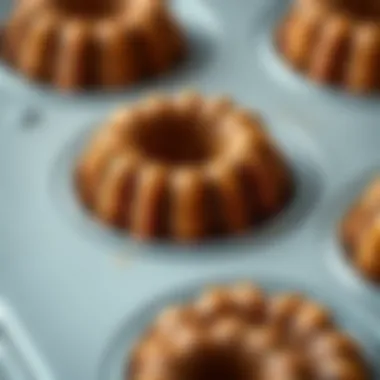
If you're feeling crafty and want to make a statement, exploring DIY methods could strike the right chord! Creating your own mini bundt pan, while not traditional, can be a fun way to personalize your baking tools. You can repurpose everyday items, such as small bowls or cans, to sculpt your mini bundt pans.
The characteristic aspect of DIY methods is the creativity it affords. You get to mold unique shapes that reflect your personality or baking style. Just bear in mind that it may require a bit of trial and error, like most craft projects do.
Advantages:
- Cost-effective if you recycle items you already have at home.
- Customizable to fit your needs perfectly.
- A fun project can be engaging for families or kids.
Disadvantages:
- Results may vary depending on your creativity and skill.
- Durability and functionality might be hit-or-miss, especially if you’re not using conventional materials.
Using Flexible Molds
Flexible molds have risen in popularity as an alternative to standard baking pans. Made from silicone or other adaptable materials, these molds allow for a variety of shapes while providing significant ease of release after baking. The key feature here is their versatility; you can use them for more than just bundt cakes, maybe even cupcakes or gelatin desserts.
What sets flexible molds apart is their forgiving nature. You can easily create intricate designs that might be tricky with traditional pans. This means that you can let your imagination run wild, working with colorful batter or personalized recipes.
Advantages:
- Easy to store, as they fold flat and require less space.
- They often require little to no greasing, a significant advantage when working with delicate batter.
Disadvantages:
- Some flexible molds may not withstand higher temperatures, which could lead to warping or damage.
- Lower market prices might indicate lower quality versions; getting a higher-quality mold is essential to avoid baking mishaps.
Final Thoughts on Purchasing Mini Bundt Pans
When embarking on the journey of buying mini bundt pans, it’s crucial to consider more than just the price tag. Mini bundt pans are not one-size-fits-all. Whether you're a baker looking to experiment or someone just wanting to whip up simple desserts, understanding the ins and outs can make a marked difference. Making an informed decision involves various aspects, from material to design, and even price comparisons.
Making an Informed Decision
An informed decision is the cornerstone of any successful purchase. Whether you’re a novice baker or an experienced pastry chef, understanding what you need is essential. Before diving into your cart, think about the material of the pans. Silicone ones might be easier to handle, but metal pans often offer better heat conduction. Beyond that, consider the size you need—will you usually bake for a small gathering, or do you envision whipping up several pans for a bigger event?
Additionally, it's important to check reviews and warranty information. A pan that catches your eye may not be all that it seems. Have others found it easy to use? Or does it leave them with a sticky mess? By analyzing user feedback and focusing on brands with solid warranties, you’ll ensure that your investment is sound.
Exploring Culinary Potential
When you’ve found the right mini bundt pan, the next layer to explore is the culinary potential it opens up. These pans can be more than just vessels; they can be your ticket to creativity in the kitchen.
Baking Tips
Baking mini bundt cakes requires a sprinkle of finesse. Timing and temperature are everything in this rewarding endeavor. One fantastic tip is to preheat your oven properly because even a slight variation can make or break the texture of your dessert. The ceramic-like finish of most metal pans can enhance browning, giving your cakes that pleasing golden hue once baked. Careful not to overfill those pans, as the cakes need a little room to breathe while they rise.
Using an oven thermometer can be especially beneficial. Ovens often have their discrepancies, and you wouldn’t want a cake that’s golden on the outside and raw on the inside.
Key Characteristics of Baking Tips:
- Importance of preheating the oven
- Understanding timing and monitoring cakes
- Ensuring proper pan preparation for easy release
Getting Creative with Recipes
After mastering the basics, why not get a bit adventurous? Getting creative with recipes can transform a simple baking session into a delightful experiment. From lemon drizzles to chocolate ganaches, mini bundt cakes can be a canvas for your culinary artistry. Unlike traditional cakes, the unique shapes can accentuate flavors, allowing each little nook to capture the essence of your ingredients.
You can also play around with fillings, turning ordinary cakes into a treat bursting with surprises. However, do bear in mind that delicate ingredients might require adjustments to your bake time.
Unique Features of Getting Creative with Recipes:
- Endless flavor combinations
- The potential for eye-catching presentations
- Ability to customize portions for different occasions
In summary, buying a mini bundt pan does not end with just the selection. By making informed choices, embracing baking techniques, and stepping into creativity, mini bundt pans can unlock a world of delicious possibilities. So, gear up and embark on your baking adventure!