
Culinary Approaches to Managing Fatty Liver Effectively


Intro
Fatty liver disease, a growing concern across the globe, serves as a stark reminder of the complex relationship between lifestyle choices and health outcomes. This condition, characterized by the accumulation of fat in liver cells, often arises from poor dietary habits, obesity, and excessive alcohol consumption. Fortunately, altering dietary habits can significantly influence the progression of this disease, possibly steering it back to a healthy path.
Cooking and eating aren’t just matters of sustenance; they can be powerful tools in managing health. For those facing fatty liver disease, culinary approaches offer a practical means to reclaim control over their health. By focusing on liver-friendly ingredients, effective cooking methods, and mindful meal planning, individuals can craft dishes that are not only delicious but also support liver function.
In this guide, we will navigate through the essential ingredients suited for a liver-friendly diet, step-by-step preparation techniques, dietary considerations to be aware of, creative variations, and insightful FAQs tackling common concerns. Through understanding how each element plays a role, readers can foster a deeper connection with their food, leading to improved health without sacrificing flavor.
Let’s delve into the heart of our culinary journey, where ingredients play a starring role in this healthful narrative.
Ingredients Breakdown
Primary Ingredients
When it comes to cooking for fatty liver, certain ingredients shine like stars in a dark sky. These primary components encompass:
- Leafy Greens: Spinach, kale, or Swiss chard are rich in antioxidants and fiber. These help reduce liver fat and support detoxification.
- Whole Grains: Quinoa, brown rice, and barley are excellent sources of fiber, aiding digestion and preventing weight gain.
- Healthy Fats: Olive oil and avocados contain monounsaturated fats, which are beneficial in reducing liver inflammation.
- Lean Proteins: Skinless chicken breast, fish like salmon, and legumes provide essential protein without excess fat.
- Fruits: Berries, apples, and grapes offer vitamins and antioxidants which can help cleanse the liver.
Optional Ingredients
While not essential, these ingredients can enhance flavor and versatility:
- Turmeric: Known for its anti-inflammatory properties, this spice adds depth to dishes and aids liver health.
- Ginger: Another potent anti-inflammatory, ginger can spice things up and assist in digestion.
- Garlic: Not just a flavor powerhouse, garlic contributes to liver detoxification processes.
Essential Kitchen Tools
To whip up liver-friendly meals, having the right tools goes a long way:
- Sharp Knives: Essential for precise chopping and preparation.
- Cutting Boards: Use separate boards for meats and vegetables to avoid cross-contamination.
- Non-Stick Cookware: Limits the need for excess fats in cooking.
- Steamer Basket: Perfect for cooking veggies to retain nutrients without added fats.
- Blender or Food Processor: Great for smoothies or purees, keeping meals flavorful and smooth.
Gathering these ingredients and tools is the first step towards creating delicious and healthful meals that your liver will thank you for. In the following sections, we'll explore how to prepare these ingredients properly, ensuring that your culinary creations are as nutritious as they are delightful.
Understanding Fatty Liver Disease
Understanding fatty liver disease is crucial for anyone eager to manage this condition effectively through dietary changes. Given that this disease is often silent in its early stages, a grasp of its implications and the best practices around it can pave the way to better liver health. This section will draw back the curtain on what fatty liver really is, uncover causes and risk factors, and highlight the pivotal role diet plays throughout the management process.
What is Fatty Liver?
Fatty liver disease happens when excess fat builds up in the liver, which is supposed to be relatively low in fat. This condition can be either alcoholic, stemming from heavy drinking, or non-alcoholic, often associated with obesity, diabetes, and metabolic syndrome. The liver performs numerous essential functions, from detoxifying harmful substances to producing bile, which helps digest fat. When it is overloaded with fat, it might struggle to function properly, potentially leading to inflammation and even cirrhosis over time.
People often overlook the symptoms until they're pronounced, but some may experience fatigue, discomfort in the upper right abdomen, or unexplained weight loss. Understanding what fatty liver is enables individuals to take proactive steps toward healthier living.
Causes and Risk Factors
The causes of fatty liver disease are as diverse as the people it affects. Common contributors include:
- Obesity: An expanding waistline can be a leading indicator. When your fat cells become overworked, they can spill over into the liver.
- High insulin levels: Insulin resistance, often shown through type 2 diabetes, encourages fat storage and can lead the liver to accumulate fat.
- Diet: High consumption of sugary foods and saturated fats can wreak havoc on your liver. Fast food, processed snacks, and sugary drinks have all been implicated as culprits.
- Alcohol consumption: Excessive drinking can lead to alcoholic fatty liver disease, a condition that develops when alcohol intake exceeds the liver's capacity to metabolize it.
- Certain medications: Some drugs, including steroids and certain chemotherapy agents, can also influence the development of this condition.
It's important to note that while anyone can develop fatty liver disease, certain populations, including people with metabolic disorders and those who are overweight, are at heightened risk.
The Role of Diet in Managing Fatty Liver
Food choices can have a significant impact on fatty liver management. Shifting to a diet that promotes liver health is not just beneficial, it is essential. Here are a few ways in which diet is influential:
- Anti-inflammatory foods: Eating a diet rich in vegetables, fruits, and whole grains can help reduce inflammation associated with fatty liver.
- Healthy fats: Replacing saturated fats with healthier unsaturated fats, like olive oil, can aid in liver fat reduction. An added bonus? Foods rich in omega-3 fatty acids, such as fish, have also shown promise in helping lower liver fat.
- Pretty important fiber: Fiber-rich foods can help manage blood sugar levels and body weight—both critical in fighting fatty liver.
Key Nutritional Elements for a Liver-Friendly Diet
When navigating the waters of fatty liver disease, understanding the nutritional elements that contribute to a liver-friendly diet is vital. It’s not just about cutting out certain foods, but incorporating the right ones that can play a significant role in liver health. The choices we make on our plates can either support our bodies or hinder their functions, which becomes crucial for those with fatty liver.
Importance of Healthy Fats
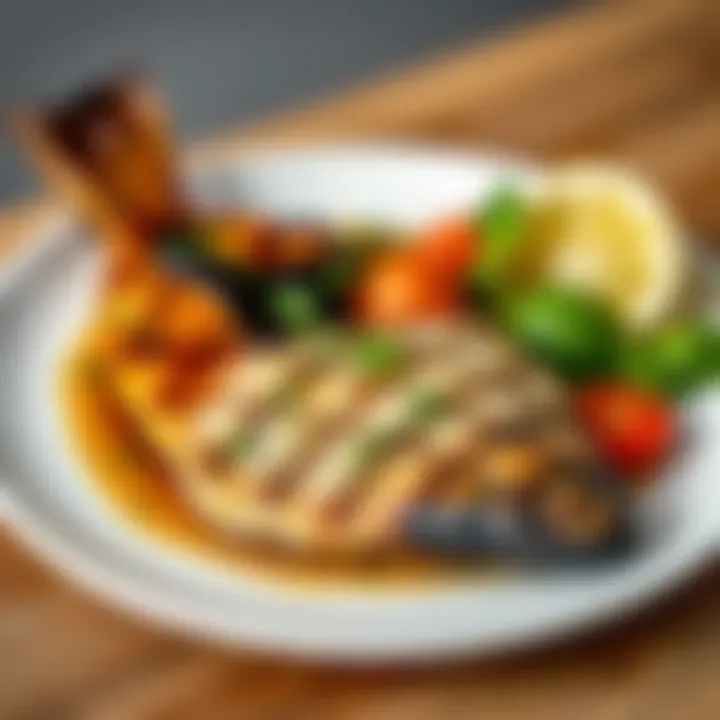
In the realm of fats, the distinction between healthy and unhealthy is paramount. Healthy fats, such as those found in olive oil, avocados, fatty fish, and nuts, can actually serve as allies in managing fatty liver. They aid in reducing inflammation and promoting a healthy balance of cholesterol. Omega-3 fatty acids, particularly prevalent in salmon and walnuts, are known to help lower liver fat levels. Conversely, saturated and trans fats, often lurking in processed foods and fried items, can exacerbate liver issues.
"Not all fats are created equal. Opt for those that nourish rather than deplete."
Including healthy fats in meals can be a game changer. For instance, a drizzle of olive oil on roasted veggies not only enhances flavor but also provides beneficial compounds that support liver health. Planning meals with a balance of healthy fats helps ensure that the liver has the resources it needs to function optimally.
Incorporating Antioxidant-Rich Foods
Antioxidants are your liver’s best friend, as they combat oxidative stress in the body. Foods rich in antioxidants include berries, dark leafy greens, and citrus fruits. These vibrant ingredients not only add color to your meals but also pack a punch of nutrition. Antioxidants help mitigate cell damage and support detoxification processes, which are essential for individuals dealing with fatty liver.
Including antioxidant-rich foods doesn’t need to be a chore; rather, it can be an enjoyable exploration of flavors. For example, a salad loaded with kale, blueberries, and a squeeze of lemon can be both refreshing and beneficial. This approach not only aids in managing fatty liver but contributes to overall wellbeing. Making small changes, such as swapping out snacks for a handful of berries, can lead to significant health improvements over time.
The Significance of Fiber
Fiber is often overlooked, yet it holds immense significance in a liver-friendly diet. It aids digestion and helps maintain stable blood sugar levels, which can be particularly beneficial for liver health. Foods such as whole grains, legumes, fruits, and vegetables are excellent sources of fiber.
Getting enough fiber in your diet can also promote a feeling of fullness, reducing the inclination to overindulge. Think of lentils, quinoa, or even a simple bowl of oatmeal. Each provides a hearty dose of fiber that not only assists digestion but also benefits liver function.
Incorporating fiber shouldn’t feel like a burden; instead, view it as an opportunity to expand your palate. For instance, making a hearty vegetable soup loaded with beans can not only be comforting but also provides the fibers your body craves.
In summary, understanding the key nutritional elements for a liver-friendly diet is crucial for those managing fatty liver. Healthy fats, antioxidant-rich foods, and fiber play distinct roles, contributing to overall liver health. Each element enhances the other, creating a harmonious approach to diet, promoting balance, nourishment, and a pathway to better health.
Recipe Ideas for Fatty Liver Management
When it comes to managing fatty liver disease, what you put into your body is just as important as how much you exercise or manage stress. Recipe ideas tailored for this purpose don’t just satisfy hunger; they also help nourish an ailing liver. By focusing on specific ingredients known for their health benefits, you can create dishes that are not only fulfilling but aid in your overall well-being. These recipes highlight key nutrients while ensuring that meals remain enjoyable and full of flavor, making your culinary journey a practical part of your health strategy.
Breakfast Recipes
Smoothie Bowls with Spinach and Avocado
The combination of spinach and avocado in smoothie bowls might just be the breakfast you need to kickstart your day. Packed with essential vitamins and minerals, spinach is known for its liver-supporting properties while avocado provides healthy fats that can help reduce inflammation. This dish is vibrant and full of nutrients, which is its biggest draw.
The creamy texture of avocado combined with the leafy greens makes for a satisfying meal. You can even dress it up with fruits like bananas or berries which are rich in fiber and antioxidants. One thing to keep in mind is the portion size of added sugar from sweeteners or fruits, as moderation is key in a liver-friendly diet.
Oatmeal with Berries and Flaxseed
Oatmeal is often hailed as a breakfast champion due to its versatility and health benefits. When paired with berries and flaxseed, it becomes a powerhouse of nutrition. Berries deliver antioxidants which help combat oxidative stress in the liver, while flaxseed contributes with its high fiber content and omega-3 fatty acids.
The ability to make it personal is a unique feature of oatmeal. You can adjust the toppings to your liking – a sprinkle of cinnamon or a drizzle of honey can take it to another level. However, it's crucial to be cautious about portion sizes. While oatmeal is healthy, serving too much can add unnecessary calories.
Lunch Recipes
Quinoa Salad with Roasted Vegetables
Quinoa is a fantastic grain choice for lunch as it is a complete protein, which means it contains all nine essential amino acids. When mixed with roasted vegetables, it becomes not just colorful but a fiesta for your palate. Roasted veggies such as bell peppers, squash, and carrots bring a variety of vitamins and minerals to the table.
The nutritional punch of this meal cannot be overstated. It supports liver function and is filling enough to keep you energized throughout the day. On the downside, if not prepared with the right seasonings, it might fall flat; thus, your choice of spices can make a world of difference.
Grilled Chicken with Steamed Broccoli
Grilled chicken breast paired with steamed broccoli creates a lean protein meal that is simple yet effective for liver health. Chicken provides essential amino acids which are vital for repair and growth, while broccoli is rich in fiber and promotes detoxification processes in the liver. The key characteristic of this recipe is its simplicity and speed of preparation, making it perfect for busy weekdays.
While this meal is generally well-received, it can get repetitive for some. Variety can be added with different marinades or sauces. So, don’t be afraid to experiment a little.
Dinner Recipes
Baked Salmon with Asparagus
Salmon is renowned for its omega-3 fatty acids, which are known to aid in reducing liver fat and inflammation. When you bake it with asparagus, you get a dish that is not just healthy but elegant and delicious. This combination is a winning pair that supports liver health while being visually appealing on the plate.


The quick cooking time of baked salmon makes this dish an excellent choice for evenings when you might be pressed for time. One must keep in mind, though, that choosing the right cut of salmon can make a difference; opt for wild-caught over farmed when possible to avoid undesirable additives.
Lentil Stew with Mixed Greens
Lentils are a hearty ingredient that contains fiber beneficial for digestive health, which can, in turn, positively impact liver functionality. Adding mixed greens enriches the dish with vitamins like A, C, and K while also providing a nice crunch. The comforting nature of a warm stew can be very appealing, especially in cooler months.
One advantage here is the ability of a stew to be made in bulk and stored. The downside, however, might be its long cooking time, requiring some planning ahead to enjoy this wholesome meal.
Snack Ideas
Nuts and Seeds Mix
A mix of nuts and seeds can serve as a perfect go-to snack loaded with healthy fats, protein, and fiber. Almonds, walnuts, sunflower seeds, and pumpkin seeds not only stave off hunger but keep your liver in good spirits. One of the key appeals of this snack is its convenience; you can easily toss some in your bag for on-the-go bites.
Watch out for portion sizes, though, as nuts are calorie-dense. Overindulge, and it can negate the health benefits you're aiming for in a liver-friendly diet.
Veggie Sticks with Hummus
Veggie sticks paired with hummus is another smart choice for snacking. Carrots, cucumbers, and bell peppers give a refreshing crunch while hummus adds a creamy texture. This combination is rich in nutrients and incredibly low in calories, making it almost guilt-free.
The variety of vegetables you can use lends itself well to creativity, but the drawback might be the preparation time involved in cutting and prepping veggies. Nonetheless, the health benefits make it worth the effort.
"Healthy eating is not about restriction; it’s about making better choices that nourish your body."
In summary, these recipe ideas for fatty liver management provide a spectrum of meal options that are both nutritious and delicious. By incorporating these dishes into your daily routine, you’re taking proactive steps toward better liver health, turning your kitchen into a place of healing.
Cooking Techniques to Preserve Nutrients
When managing fatty liver disease, understanding the cooking methods you employ can make a tremendous difference. Each technique carries its own merits and drawbacks, impacting the nutritional quality of your meals. Preserving the vital nutrients in food can help support liver health, ensuring your body receives the benefits it needs to function optimally. The way you cook also steers your meals towards being lighter in calories and higher in the good stuff—fiber, vitamins, and minerals. Let's explore various techniques.
Steaming vs. Boiling
Steaming and boiling are both common cooking methods, but they diverge significantly in how they affect nutrient retention.
- Steaming: This technique is akin to giving your vegetables a cozy sauna. It involves cooking food using the steam from boiling water. For many vegetables, steaming keeps the vitamins intact better than boiling. For instance, vitamin C and folate can be significantly reduced when vegetables are submerged in water for extended periods. So, if you prefer to keep your greens vibrant and packed with nutrition, steaming could be your best mate in the kitchen.
- Boiling: While convenient, boiling can often lead to a leaky boat, losing precious nutrients into the water. Though some minerals may remain, the water often gets tossed away. It’s generally best reserved for foods that require longer cooking times, like pasta or potatoes. To mitigate nutrient loss, consider using the least amount of water necessary and cooking for the shortest time needed.
Grilling and Roasting Techniques
Grilling and roasting lend a unique flavor to foods while still being friendly to their nutrient content.
- Grilling: This method is particularly suited for lean proteins like turkey and fish. The high heat helps sear the outside, locking in moisture along with the nutrients. Just be mindful of charring, which can create harmful compounds. Opting for marinades rich in herbs and spices can enhance the flavor without sacrificing health benefits.
- Roasting: This technique involves cooking food evenly in the oven. Roasting brings out the natural sweetness in vegetables, like carrots and bell peppers, which can be beneficial for those managing liver health. At the same time, roasting helps retain nutrients better than some other methods, as the direct heat allows for minimal nutrient loss. Consider tossing your veggies lightly in olive oil and seasoning, which can amplify their flavor and health benefits.
The Benefits of Raw Foods
Raw foods are often celebrated for their nutritional potency. Eating uncooked fruits, vegetables, nuts, and seeds means tapping into their full spectrum of vitamins and enzymes.
- Enzymatic Action: Many live enzymes, like those found in raw fruits and vegetables, support digestion and may even assist in liver detoxification processes.
- Fiber Galore: Raw foods are generally high in dietary fiber, promoting healthy digestion, and can be particularly beneficial for those dealing with fat buildup in the liver.
- Hydration: Many raw foods have high water content which helps with hydration—this is just what one needs for overall health.
However, it’s important to balance raw consumption with cooked foods, as some nutrients become more bioavailable when heated. Think of it as a culinary dance, balancing the raw with the cooked, ensuring your meals are both delicious and nourishing.
"Cooking foods can transform them, enhancing flavors and altering nutrient availability."
Planning Balanced Meals
Planning balanced meals plays a crucial role in managing fatty liver disease. It’s more than just putting food on a plate. It’s about making conscious choices that can improve liver function and overall health. When someone is navigating fatty liver, the emphasis on balance becomes even more essential. Each meal is an opportunity to nourish the body and promote liver health, which makes planning vital.
A well-thought-out meal plan can help prevent excess calorie consumption and ensure an adequate intake of vital nutrients. If meals consist of whole foods rich in essential vitamins, minerals, healthy fats, and fiber, the liver can function more efficiently. Additionally, this practice helps individuals establish a rhythm and predictability in their eating habits, which can minimize impulsive choices that may not be liver-friendly.
Portion Control Strategies


With portion control strategies, the aim is to eat mindfully while still enjoying a variety of foods. The principle here varies based on individual needs, but one fundamental approach is understanding serving sizes. Using smaller plates can trick the mind into feeling satisfied with less food. This small psychological hack can support weight management—a critical aspect of combating fatty liver.
Moreover, familiarizing oneself with the recommended serving sizes for various food groups is invaluable. Health professionals often suggest the use of measuring cups or a food scale during the initial stages of portion planning.
Here are a couple of strategies to consider:
- Plate Method: Fill half the plate with vegetables, one-quarter with lean protein, and one-quarter with whole grains.
- Mindful Eating: Slow down during meals. Put down utensils between bites, chew thoroughly, and appreciate the flavors. This not only enhances enjoyment but also allows time for the body to signal fullness.
Meal Prep and Batch Cooking
Meal prep and batch cooking are powerful allies in the fight against fatty liver disease. Taking an hour or two each week to prepare meals in advance ensures that healthy options are readily available, reducing the temptation of last-minute unhealthy choices.
Batch cooking allows for efficiency. You might roast a big batch of veggies and cook a pot of quinoa on a Sunday afternoon - this provides flexibility for quick lunches or dinners throughout the week. Store these in clear containers to make healthy choices visually appealing and easy to grab.
When preparing meals, it’s also wise to focus on variety. This keeps the meal plan interesting and prevents boredom. Try labeling meals so you know what flavors are coming for the week. For instance, you could have one day featuring Mediterranean dishes like grilled chicken with zucchini and another day exploring Asian flavors with stir-fried tofu and bok choy.
Lifestyle Changes to Complement Dietary Choices
Embracing lifestyle changes is as crucial as selecting the right foods when managing fatty liver disease. It's often said that you can’t out-exercise a bad diet, but the truth is, dietary choices and lifestyle modifications go hand in hand. In this article, we focus on how physical activity and stress management can significantly impact liver health.
Connecting Diet and Lifestyle
A well-rounded approach involves more than just what ends up on the plate. Engaging in regular physical activity helps boost metabolism and supports liver function. Additionally, finding ways to manage stress can contribute to hormonal balance, which affects overall well-being, including liver health. These lifestyle changes back up dietary strategies, ensuring the body is in the best possible condition to handle the challenges of fatty liver disease.
Incorporating Physical Activity
When considering ways to support liver health, incorporating physical activity cannot be overlooked. Regular exercise helps break down fat deposits in the liver while improving insulin sensitivity. You don’t have to jump into a full-fledged workout routine; even moderate activities can be beneficial.
- Daily Walks: A simple 30-minute walk can work wonders. It's a great starter that boosts circulation and gets the body moving without overwhelming the individual.
- Yoga and Stretching: These activities can enhance flexibility and reduce stress levels, which are beneficial for liver function. There’s something calming about connecting the mind and body through gentle movements, making it an ideal practice for those managing health conditions.
- Strength Training: Noticing the benefits of muscle building can have a ripple effect, as increased muscle mass burns more calories at rest, preventing additional fat accumulation. Aim for two sessions per week incorporating weights or resistance bands.
"Physical activity plays a pivotal role in managing liver health by burning fat and improving metabolic health."
Strategies for Stress Management
Stress is a silent antagonist. It can lead to unhealthy eating patterns and inhibit liver function. Therefore, implementing stress management strategies is essential for anyone concerned about fatty liver disease. Here are practical approaches that can easily fit into daily life:
- Mindfulness Meditation: Setting aside even just ten minutes daily to focus on breathing can decrease anxiety levels. Research has suggested that mindfulness meditation can be effective in managing stress and enhancing emotional well-being.
- Deep Breathing Exercises: Simple and quick, these can be done anywhere at any time. Taking deep breaths helps lower cortisol levels, enabling the body to relax and focus on recovery.
- Journaling: Writing down thoughts or feelings can be a therapeutic outlet, reducing the burden of stress. This practice can also help individuals identify triggers that cause emotional eating, leading to better food choices.
- Social Connections: Maintaining relationships is vital for emotional health. Make a habit of opening up to friends or family about feelings and experiences. Sometimes, a simple chat over a cup of tea can make a big difference.
In summary, managing fatty liver disease involves not just a liver-friendly diet but also embracing a lifestyle that nurtures the body and mind. Physical activity and stress management are effective methods that enhance overall health, supporting the efforts of dietary changes. Building these practices leads toward a more sustainable approach to liver health.
Culmination: The Pathway to Improved Liver Health
Managing fatty liver disease involves more than just a temporary dietary change; it represents a commitment to long-term health and overall wellness. This article underscores the profound connection between culinary choices and liver health. Through a balanced approach to nutrition, individuals can make significant strides in reversing the condition and enhancing their quality of life.
The emphasis on liver-friendly ingredients, cooking techniques, and thoughtful meal planning illustrates how simple swaps and mindful choices can yield substantial benefits. Notably, integrating healthy fats, antioxidant-rich foods, and fiber can aid in liver function while promoting satiety. It's a journey that invites personal growth, as one learns to appreciate the flavors and techniques that align with health objectives.
"Nourishing the body is an expression of self-respect."
By understanding the nutritional landscape specific to fatty liver management, it's clear that every meal can be a step towards restoration, not just on a physical level, but also in terms of self-empowerment. The meticulous selection of ingredients and the methods of preparation can become tools for enhancing liver function and overall health. It's about choosing wisely—opting for grilled salmon instead of fried, or quinoa over white rice.
As we conclude, it’s crucial to recognize that sustainable change demands more than just awareness; it requires intention. Whether you’re discovering new recipes, learning about nutrient density, or organizing meal preps, each act contributes to a larger picture of well-being.
Recap of Nutritional Strategies
Throughout this guide, several cornerstone strategies have emerged, reinforcing the notion that food is both medicine and fuel. Key strategies include:
- Prioritizing Healthy Fats: Emphasizing sources like olive oil, avocados, and nuts provides essential fatty acids crucial for liver repair.
- Incorporating Antioxidants: Foods rich in antioxidants, such as berries, green leafy vegetables, and nuts, are vital in combating oxidative stress related to fatty liver disease.
- Boosting Fiber Intake: High-fiber foods like beans, lentils, and whole grains help manage blood sugar and cholesterol levels while maintaining digestive health.
Implementing these strategies doesn’t need to be a daunting task. Instead, it can be invigorating—like embarking on a culinary adventure where each meal is an opportunity to nourish oneself holistically.
Encouragement for Sustainable Changes
Making lasting changes isn’t always a smooth sail; it often involves trial and error. However, it’s essential to approach this transition with a spirit of curiosity. Embrace the process by trying new ingredients, exploring diverse cuisines, and discovering healthful flavors that excite your palate.
Consider establishing small, manageable goals. Perhaps start with one liver-friendly meal a day or incorporate a new vegetable into your weekly rotation. Celebrate each milestone, no matter how small; every positive change contributes to improved health.
Additionally, connecting with communities—online or locally—can offer support. Knowledge sharing on platforms like Reddit or Facebook groups can provide tips, recipes, and encouragement. Remember, there’s a wealth of resources available, like the USDA's Food and Nutrition webpage and the American Liver Foundation's guidelines, that can guide you on this path.
In the end, it's about balancing enjoyment and health in your culinary adventures. With a bit of patience and creativity, navigating the complexities of fatty liver disease can transform into a fulfilling journey towards improved liver health.