Effective Glass Flour Storage Techniques for Longevity

Intro
In today's bustling culinary landscape, preserving the freshness of flour often takes a back seat to more immediate cooking needs. However, the importance of proper flour storage cannot be overstated. It is about maintaining the quality and flavor of a foundational ingredient that serves a multitude of purposes in kitchens around the world.
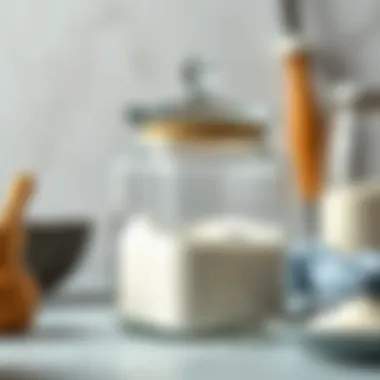
Using glass containers for flour storage offers a range of advantages that plastic or metal alternatives often fail to provide. These include better sealing against air and moisture, which helps in preserving the flour’s intrinsic flavors and textures. Beyond just aesthetics, glass flour storage containers contribute to a longer shelf-life and enhanced quality, ensuring that your culinary creations continue to shine.
This guide aims to delve deep into the best practices surrounding glass flour storage. We'll explore the specific characteristics of glass, examine optimal storage techniques, and offer troubleshooting help to resolve any common issues that may arise.
As a resource designed for both home cooks and culinary enthusiasts, this article equips you with insights that elevate your baking game.
Ingredients Breakdown
Primary Ingredients
- Flour: Different types such as all-purpose, whole wheat, or bread flour.
- Sealing Agent: Oxygen absorbers or vacuum seals can be useful additions to extend shelf-life.
Optional Ingredients
- Desiccants: Silica gel packs can help maintain low moisture levels in the container.
- Flavoring Agents: Some prefer to add bay leaves or dried herbs as natural deterrents against pests.
Essential Kitchen Tools
- Glass Storage Containers: Opt for airtight jars with rubber seals or twist-top lids.
- Labels: To keep track of the type and date of flour stored.
- Measuring Tools: A reliable scale helps in measuring flour accurately when needed.
Step-by-Step Preparation
Prepping the Ingredients
Before storing your flour, it’s crucial to ensure it's clean and dry. Any moisture can quickly lead to spoilage. If you’re working with bulk flour, a quick inspection can save you from future headaches.
Storage Techniques and Methods
- Choose the Right Glass Container: Prioritize dark glass for added protection against light and choose sizes that match your usage needs.
- Transfer the Flour: Gently pour the flour into the glass container, ensuring no spillage occurs on the sides.
- Seal Properly: Ensure the container is tightly sealed, preventing air and moisture from seeping in.
Troubleshooting Common Storage Issues
- If you notice clumping, consider using a whisk to break it up gently.
- Check for any signs of pest infiltration, switching containers if necessary.
Dietary Considerations
Gluten-Free Options
For those seeking gluten-free alternatives, options such as almond flour, coconut flour, or rice flour can easily be stored in glass containers using similar principles outlined earlier.
Vegetarian and Vegan Substitutes
While flour is inherently vegetarian, a variety of flour blends can make for terrific gluten-free options.
Nutritional Facts & Nutritional Considerations
Keep in mind that different flours possess unique nutritional profiles. Whole grains often pack more fiber, while white flour delivers a lighter texture but with less nutritional value.
Common Help Sections and Troubleshooting
Frequently Asked Questions
- How long can flour be stored in a glass container?
Typically, all-purpose flour can last up to a year when stored correctly. - Is glass really better than plastic?
Absolutely, glass containers provide an airtight seal that protects flour from moisture and odors better.
Common Mistakes to Avoid
- Don’t store flour in original bags when transferring to glass; they are not airtight.
- Avoid mixing different types of flour in one container unless clearly labeled.
Solutions to Potential Problems
If you find your flour has developed an off smell, it’s best to discard it and start fresh. If you encounter weevils, vacuuming between containers may help.
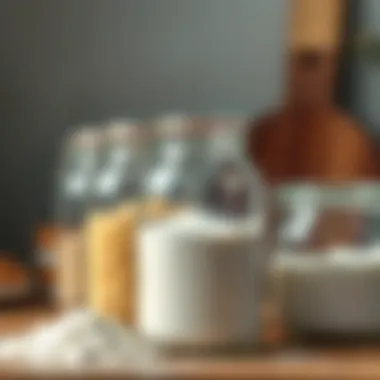

"Proper flour storage is just as essential as choosing the right flour itself. Pair good ingredients with good practices for the best results in your baking adventures."
Understanding Flour Types and Their Storage Needs
When it comes to storing flour, comprehension of different flour types is more than just trivia; it's a fundamental aspect that affects freshness, quality, and even shelf life. Each type of flour has unique characteristics that dictate its best storage practices. Understanding these nuances not only helps in maintaining the integrity of flour but also elevates your baking and cooking endeavors.
Overview of Common Flour Varieties
Flour comes in a myriad of types, each tailored for specific culinary tasks. Here's a snapshot:
- All-Purpose Flour: The heavyweight champion of kitchens. It’s versatile and can be used in a variety of baked goods, from bread to pastries.
- Whole Wheat Flour: Packed with fiber and nutrients, this flour is less processed, so it has a shorter shelf life due to its higher oil content.
- Cake Flour: Fine-textured and low in protein, this flour is essential for achieving that fluffy sponge in cakes.
- Bread Flour: With a higher protein content, it develops gluten more effectively, making it ideal for yeast-risen breads.
- Self-Rising Flour: This type already has leavening agents mixed in and is typically used in quick breads or biscuits.
Each flour’s charm lies in its intended use; however, storing them inappropriately can turn that charm into a challenge. By knowing which flour you'll use most, you can tailor your storage practices effectively.
Nutritional Properties Impacting Storage
The nutritional profile of flour significantly influences its storage requirements. Flour types vary in terms of protein, moisture content, and fats, all of which affect how they should be kept:
- Protein Levels: Flour with high protein, like bread flour, requires careful monitoring of temperature and humidity to avoid spoilage.
- Fat Content: Whole wheat and other whole grain flours have higher fat content due to the bran and germ, leading them to rancidity quicker. This necessitates a cooler, darker storage environment.
- Moisture Absorption: Different flours can absorb moisture differently. Bread flour will absorb liquid more effectively than cake flour, meaning their stability in storage can vary.
It’s important to take these properties into account when deciding how to store flour. Not all flours can withstand the same conditions.
Remember: Proper storage helps retain the nutritional value of flour and ensures that your ingredients are baking-ready when you need them.
The Advantages of Glass Containers for Flour Storage
When it comes to storing flour, the type of container used can make a world of difference. Glass containers stand out not only for their aesthetic appeal but also for their practical advantages. In this section, we’ll explore why choosing glass for flour storage can enhance both the quality of your baking and the overall experience in your kitchen.
Preservation of Flavor and Freshness
Flour is a staple ingredient in many kitchens, used for a variety of recipes. However, its freshness can diminish rapidly when stored improperly. Glass containers, with their airtight seals, play a significant role in keeping the flour's natural flavors intact. Unlike plastic, glass does not hold onto odors or flavors from previous contents, ensuring that your flour remains pure and untainted.
Additionally, the transparency of glass allows you to easily check the contents without needing to open the container. This minimizes exposure to air and moisture, both of which can accelerate degradation. By storing flour in glass, you can significantly elongate its freshness, which is especially important for specialty flours like almond or whole wheat that can spoil more quickly.
Protection from Contaminants
One of the hidden advantages of glass containers is their robust nature; they are less likely to allow contaminants in. Unlike plastic, which can crack and warp over time, glass offers a reliable barrier against pests, dust, and other unwanted materials. This is particularly pertinent if you live in areas prone to infestations or if flour is kept in a cabinet that may not be as clean as one would hope.
"Using glass storage not only maintains the integrity of your flour but also provides peace of mind that your ingredients are safe from the elements."
Besides protecting from physical contaminants, glass doesn't leach harmful chemicals into the flour, a concern often associated with certain types of plastic. This means your baked goods will not only taste better but also contribute to a healthier lifestyle.
Aesthetic Considerations in the Kitchen
While the functionality of glass containers is crucial, one cannot overlook their visual appeal. Glass flour jars are elegant and bring an air of sophistication to your kitchen. Their crystal-clear surface allows you to showcase a variety of flours, adding a decorative touch to your cooking space.
You may decorate these containers with labels, making it easy to identify different flour types at a glance. Trends in kitchen aesthetics lean towards minimalist design, and glass containers fit seamlessly into this look. This combination of style and utility often encourages home cooks to keep their spaces more organized.
Comparison with Alternative Storage Solutions
When discussing the storage of flour, it becomes essential to assess how glass containers stack up against other materials. Comparing glass with alternative storage methods not only helps clarify advantages but also shines a light on potential drawbacks. This segment delves into the pros and cons of both plastic and metal containers, offering clarity on their respective effectiveness in preserving flour quality.
Plastic Containers: Pros and Cons
Plastic containers are prevalent in households due to their lightweight nature and affordability. However, while they offer convenience, there are considerable trade-offs worth noting.
Pros:
- Affordable and Accessible: They come at a low price and are usually available in various sizes, making them easy to find and purchase.
- Lightweight: Plastic containers can be moved around with ease, an advantage for those with limited kitchen space.
- Stackable: Their design often allows stacking, thus saving storage space in cupboards or pantries.
Cons:
- Permeability: Plastic is not as airtight as glass. Over time, it can absorb odors and moisture, leading to stale flour.
- Chemical Migration: Some plastics release harmful chemicals, particularly when heated or scratched, which can compromise food safety.
- Durability Issues: Plastic can scratch and discolor, reducing both functionality and visual appeal.
In sum, plastic offers a convenient solution for flour storage, but this convenience can come at the cost of quality and safety. The question remains whether that trade-off is justified for serious home bakers.


Metal Containers: Suitability and Drawbacks
Moving on to metal, these containers are often touted for their robust construction and modern aesthetics, making them appealing in many kitchens. But how suitable are they for flour engagement?
Suitability:
- Durable Construction: Metal containers are strong and typically long-lasting, making them ideal for someone looking for a permanent flour solution.
- Pest Resistance: The sealed nature of metal can deter pests that might find their way into flour stored in less secure containers.
Drawbacks:
- Heat Conduction: Metals can conduct heat, which may lead to an increase in temperature inside the container. Heat can promote staleness and loss of flavor.
- Rust Risk: Depending on the type of metal used, moisture can lead to rusting over time, which is particularly counterproductive for flour preservation.
- Lack of Transparency: Unlike glass, metal containers prevent visibility of contents. This can make it challenging to monitor flour levels.
In summary, while metal containers boast durability and pest resistance, they present issues related to heat exposure and visibility. The choice between glass, plastic, and metal will depend significantly on personal priorities as a home cook and the importance one places on flour quality.
"Choosing the right storage solution can make all the difference in maintaining the freshness of your ingredients."
In evaluating both plastic and metal options against glass, often the benefits of glass—such as preserving flavor, being non-reactive, and offering transparency—becomes a strong consideration. Each method has its merits, but the implications for flour longevity should not be undervalued.
Best Practices for Storing Flour in Glass Containers
Proper storage is pivotal in maintaining the quality and longevity of flour. When it comes to glass containers, there are specific best practices to consider that can help ensure your flour remains fresh and usable for an extended duration. Choosing glass not only offers a visually appealing way to keep your staples organized but also plays a crucial role in flavor preservation. Here, we delve into the optimal practices for storing flour in glass containers, focusing on how they can enhance your culinary experience.
Selecting the Right Glass Container
Choosing the right glass container might seem trivial, but it can actually be a determining factor in flour's shelf life and quality. Here are some key points to keep in mind:
- Size Matters: The container should be proportionate to the amount of flour you intend to store. A large container for a small quantity of flour allows excess air to circulate, which can lead to staleness. Conversely, small containers will lead to frequent transfers, potentially introducing contaminants.
- Shape and Design: Opt for containers with a wide mouth, making it easier to scoop out flour without spilling it everywhere. Also, a cylindrical or square shape without sharp edges can help minimize damage to the flour.
- Material Quality: Not all glass is created equal. Look for containers made from heavy-duty glass that can withstand temperature changes and potential drops. This is particularly relevant for home bakers who value their equipment.
- Clear vs. Opaque: Clear glass containers allow you to easily monitor the flour level and check for bugs or clumping. However, if you’re storing sensitive flour types like whole wheat or spelt, opting for tinted or opaque containers can help protect against light exposure that causes rancidity.
Ideal Sealing Techniques
Even the best container won't do any good if it's not sealed properly. The sealing method is paramount in preventing air and moisture from diminishing the flour’s quality. Consider the following techniques:
- Airtight Lids: Ensure the lid fits snugly. Rubber gaskets often enhance the airtight seal, providing an added layer of protection against humidity and pests. Many glass containers come with these gaskets already in place, making them practical choices.
- Vacuum Sealing: For those who truly want to extend their flour’s lifespan, consider vacuum-sealing glass jars. These systems can extract air from inside the jar, preventing oxidation and moisture infiltration. It’s a step up, but well worth it for serious bakers.
- Use of Humidity Packs: Sometimes, adding desiccant packs (food-grade silica gel) inside the container can help keep flour dry. This is especially beneficial in humid environments where moisture tends to linger.
Understanding Flour Lifespan and Shelf Life
When it comes to cooking and baking, the lifespan of flour is a cornerstone of maintaining quality in your culinary creations. Flour is not just a dry powder; it's packed with nuances that can make or break a recipe. Understanding how long flour lasts, what factors affect its shelf life, and how to properly store it can dramatically influence the outcome of your dishes. This section aims to illuminate these essential elements, equipping you with the knowledge you need to handle flour with confidence.
Factors Affecting Shelf Life
Several factors contribute to the shelf life of flour, and being aware of these can save you from using stale or spoiled products. Here are some key components:
- Flour Type: Different types of flour have varying shelf lives. For instance, whole wheat flour tends to spoil faster due to its higher oil content, while white flour can last longer under the right conditions.
- Storage Conditions: The environment in which flour is stored plays a significant role. Exposure to moisture, heat, and light can drastically reduce flour's lifespan. Ideally, flour should be kept in a cool, dark, and dry place.
- Container Seal: The seal of your storage container is crucial. Glass containers with airtight lids are excellent at keeping air out, which reduces oxidation and helps prolong freshness.
It’s also important to consider that the way you handle flour can impact its durability. Keeping your hands, utensils, and workspace clean can minimize contamination risks that lead to spoilage.
Expiration Dates and Usage Window
Flour packages often have expiration dates, but these dates can sometimes be misleading. Expiration dates indicate the time frame in which the flour will maintain its best quality, but this does not mean it is unusable after that date. Here’s what to keep in mind:
- Best Before vs. Expiration: "Best by" dates indicate optimal quality, and flour may still be good beyond this point. However, sensory characteristics such as smell and appearance should be checked before use.
- Usage Window: Generally, whole grain flours last about 3 to 6 months when stored properly, while white flour can last up to a year. Always monitor for any changes in odor or texture, which can signal deterioration.
Tip: When in doubt, perform a simple taste test to determine if the flour is still palatable. If it tastes off, it’s best to discard it.
By grasping these aspects of flour lifespan and shelf life, you set the groundwork for successful storage and use of flour, paving the path for delightful recipes and consistent baking results.
Maintaining Freshness Once Opened
Once your flour is opened, how you handle and store it plays a vital role in preserving its quality. Many people might not think twice about how to prolong the freshness of something as common as flour, but it truly can make a huge difference in your baking endeavors. Maintaining its freshness is not just about avoiding staleness; it's also about safeguarding against possible contaminants that could compromise flavor or even health. Proper techniques here can significantly affect the taste and effectiveness of your culinary creations.
Refrigeration vs. Room Temperature
When it comes to storing opened flour, one question often arises: Should you refrigerate it or keep it at room temperature? While both methods have their proponents, here’s a rundown of considerations for each.
- Room Temperature: Flour stored in a cool, dry place away from sunlight is usually sufficient if used within a reasonable time frame. Glass containers with tight seals can work wonders here. Keeping flour in a pantry helps retain moisture and flavor but it’s crucial to check for pests.
- Refrigeration: On the other hand, if you bake often or plan to have your flour for an extended period, keeping it in the fridge may be a smart move. While cold temps can extend shelf life, be careful about moisture transfer. Ensure it’s in a fully sealed glass container, otherwise, condensation may spoil the flour. A cold environment can also firther help in preventing the growth of unwanted bugs like flour weevils.
Ultimately, the choice depends on your personal baking habits and how quickly you can use the flour.
Monitoring for Signs of Deterioration
Even with best practices in place, it’s crucial to keep an eye on your flour. Over time, it can lose its quality, and recognizing those signs early can save you from a baking disaster. Here are some indicators you should watch out for:
- Smell: A fresh bag of flour should have a mild, almost nutty scent. Any sour or off-putting smells can indicate that it has started to go bad.
- Color and Texture: Look for discoloration or any changes in texture. Old flour may develop a clumpy consistency or even small particles that weren't there prior.
- Taste Test: If you're still unsure, a quick taste can tell a different story. Stale flour may taste flat or just plain odd.
"Remember, when it comes to baking, great results start with quality ingredients."
To keep your flour fresh, regularly check for these signs and don’t hesitate to toss what goes bad. Keeping track of how long a container has been open can also help in managing its lifespan properly. Together, these practices will enhance the performance of your flour and elevate your baking game."
Common Storage Issues and Solutions
Storing flour, especially in glass containers, can occasionally be a double-edged sword. While glass provides a sturdy and aesthetically pleasing option, it doesn’t exempt flour from potential storage pitfalls. It is crucial to address these common storage issues to ensure the quality and safety of your flour. Recognizing issues like mold growth and insect infestations is essential for any home cook who aims to keep their kitchen operations smooth and enjoyable.
Dealing with Mold Growth
Mold can become a troublesome guest in your flour storage method, ruining not just the flour but potentially your baked goods as well. Mold thrives in warm, damp environments, and unfortunately, many kitchens can unintentionally create such conditions.
To combat mold, it is wise to keep your flour in a cool, dry place. If you notice that moisture has made its way into your flour, here are some steps to follow:
- Use a desiccant: Adding a small packet of silica gel inside the glass container can help absorb any excess moisture, making it less hospitable for mold.
- Inspect for damage: Make it a habit to examine your flour regularly. Any signs of mold should prompt immediate disposal of the affected flour.
- Store in smaller batches: If you purchase flour in bulk, transfer portions into smaller glass jars. This can help reduce the chances of all your flour being compromised if mold sets in.
"A stitch in time saves nine." This old saying holds true; addressing mold at the first sight can prevent bigger troubles.
Handling Insect Infestations
Insects can be a sneaky issue when it comes to flour storage. Flour beetles and pantry moths are notorious for infesting flour and can wreak havoc if left unchecked. These pests not only spoil the flour but can also spread their eggs and larvae, leading to bigger concerns. Here’s how you can wrestle with these unwanted visitors:
- Effective sealing: Glass containers with airtight seals are great for preventing insect access. Make sure your lids fit tightly to keep pests at bay.
- Freeze your flour: If you're buying flour in bulk, consider popping it into the freezer for a couple of days before transferring it to glass. This can kill any dormant eggs or larvae.
- Cleansing your storage area: Maintain a clean environment. Regularly sweep and wipe down your storage areas to rid them of crumbs that might attract insects.
For more comprehensive insights on kitchen organization and storage tips, consider exploring resources like Wikipedia or insights on flour handling from Reddit. By staying aware and taking proactive steps, you can elevate both your baking experience and the longevity of your ingredients.
Environmental Considerations
When discussing flour storage, many focus on the preservation of freshness and quality, yet there lies an equally pivotal aspect—environmental considerations. As we become more aware of our impact on the planet, selecting storage solutions that align with sustainability values is paramount. Glass containers, in particular, offer a noteworthy blend of functionality and eco-friendliness, making them an ideal choice for eco-minded bakers and food lovers alike. This section will peel back the layers of why adopting glass storage is more than just a trend; it's a step towards a more sustainable kitchen.
Sustainability of Glass Storage Solutions
Glass is a material that's been around for centuries and has stood the test of time. It shines in the arena of sustainability for numerous reasons:
- Durability: Unlike plastic, glass is recyclable infinitely without a loss in quality. This longevity means fewer resources are consumed over time, aligning with a lower carbon footprint.
- Non-Toxic Nature: Unlike many plastic containers that can leach harmful chemicals into food—especially with heat or wear—glass remains inert. This property ensures that no unwanted substances compromise the quality of flour, which is vital not only for health but also for taste.
- Reduced Manufacturing Impact: Though the initial energy cost to create glass is higher compared to plastic, the overall lifecycle of glass is often less taxing on our natural resources. Utilizing glass containers closes the loop, encouraging recycling over waste.
In essence, glass fulfills multiple environmental criteria while serving its primary purpose of flour storage. Thus, by opting for glass, you are not just protecting your ingredients but also making a conscious choice for the planet.
Impact on Food Waste Reduction
Food waste is a pressing concern globally, with staggering amounts tossed out each year. When it comes to flour, improper storage can lead to spoilage, thus escalating the waste problem. Here's how glass storage contributes towards curbing this issue:
- Enhanced Shelf Life: Glass containers form a superior barrier against humidity and pests, factors that allow flour to deteriorate quickly. Consequently, by using glass, bakers can enjoy longer shelf lives, extending the usability of their products.
- Better Visibility and Accessibility: With their transparent nature, glass containers enable users to easily check the state of their flour, reducing the chances of forgotten, expired items hiding in the back of a cupboard. Clear storage helps ensure that flour is used promptly, thus minimizing waste.
- Batch Control: Storing flour in smaller glass containers allows for more precise portion sizes. This approach not only prevents over-buying but also encourages thoughtful usage.
Epilogue
In wrapping up our exploration of glass flour storage, it's clear that adopting thoughtful practices can significantly impact not just the quality of flour that graces our kitchens, but also overall food preparation experiences. The main focus here has been on the undeniable advantages that glass containers offer, as they preserve flavor, freshness, and even certain aesthetic elements that enrich the culinary environment. The practicalities involved in choosing the right glass, sealing techniques, and understanding the interactions between different flour types are all paramount to successfully using glass for storing flour.
Furthermore, the insights we've gathered underline the importance of maintaining these storages effectively. Factors like humidity and temperature specifically address how we store flour, demanding that we pay close attention to their influences. The transition to glass container storage isn’t just a minor change; it represents a commitment to better practices around both food quality and sustainability. In today’s world, where food waste is a pressing concern, being able to efficiently store what we buy becomes increasingly vital.
Overall, this journey through the nuances of glass flour storage offers a wealth of knowledge that every home cook—not to mention seasoned bakers—should find invaluable. With a clearer understanding of how to utilize glass effectively, it becomes easier to avoid the common pitfalls associated with flour storage while mastering the art of freshness.
Summary of Key Takeaways
- Glass superiority: Glass containers shield flour from outside contaminants, preserving flavor and freshness significantly better than many alternatives.
- Freshness factors: Pay attention to temperature and humidity when storing different flour types to ensure optimal lifespan.
- Sustainable choices: The sustainability of glass as a storage solution not only reduces waste but enhances the culinary experience.
- Proactive monitoring: Regular checks for integrity and freshness of both the flour and the container help catch issues before they take a toll on your ingredients.
- Practical adjustments: Understanding the needs and shifts of flour types allows for tailored storage solutions, maximizing the usability of your baking essentials.
Encouragement for Best Storage Practices
With everything discussed, the move towards best practices in flour storage should feel less daunting and more intuitive. Each of us can contribute to reducing food waste and enhancing the quality of our culinary creations simply by incorporating glass flour storage into our kitchens.
When it comes to maintaining the quality of flour, keep the following strategies at the forefront of your practice:
- Choose high-quality glass containers: Seek options that are robust and ideally designed for tight sealing.
- Regular assessments: Make it a habit to examine your flour for any signs of spoilage or pests on a regular basis.
- Educate yourself: Commit to learning about different flour varieties and how they require slightly different conditions for optimal storage.
- Stay organized: Label containers with dates to keep track of when they were filled, essentially implementing a first-in, first-out system.
To sum it all up, making the switch to glass for flour storage isn't just a trend—it's a versatile, effective, and aesthetically pleasing way to enhance your cooking and baking efforts. Embrace these knowledge and tips as part of your culinary toolbox. By doing so, you’ll be well on your way to keeping your flour fresher for longer and possibly even inspiring a more mindful approach towards food storage as a whole.