Exploring the Qualities and Uses of Wild Cut Salmon


Intro
When it comes to seafood, wild cut salmon stands out not just for its flavor but also for its sheer versatility in the kitchen. Caught in their natural habitat, these fish carry a unique profile that tantalizes the taste buds of chefs and home cooks alike. This article will take you on a comprehensive journey through the various aspects of wild cut salmon—from its rich attributes to its health benefits and culinary uses.
Ingredients Breakdown
Primary Ingredients
Wild cut salmon is primarily known for its striking flesh that ranges from pink to red, often varying based on the species and diet of the fish. It's essential to start with a high-quality product. Opt for:
- Sockeye Salmon: Renowned for its strong flavor and vibrant color.
- King Salmon: Known for its rich, buttery taste and higher fat content, making it a premium choice.
- Coho Salmon: Offers a milder taste while still providing a satisfying experience.
Optional Ingredients
While the star ingredient is undoubtedly the wild cut salmon, a few extras can elevate your dish:
- Fresh herbs like dill, parsley, or chives add brightness.
- Citrus zest or slices can enhance the freshness.
- Garlic and onions introduce aromatics that complement the fish.
Essential Kitchen Tools
To work effectively with wild cut salmon, having the right tools is key:
- Sharp knife for precise cuts.
- Cutting board, preferably one dedicated to fish.
- A good quality pan or grill for cooking.
- Meat thermometer to ensure the fish reaches the perfect internal temperature.
Step-by-Step Preparation
Prepping the Ingredients
Before diving into cooking, proper prep is essential. Rinse the salmon gently under cold water and pat it dry with a paper towel. Remove any bones if necessary and cut it into desired portion sizes. For seasoned aficionados, marinating the fish in a mix of olive oil, lemon juice, and fresh herbs for about 30 minutes can significantly enhance the flavors.
Cooking Techniques and Methods
Several cooking techniques suit wild cut salmon:
- Grilling: Adds a delightful smoky flavor, perfect for summer dishes.
- Baking: Moist and effortless, baking at 375°F for about 15-20 minutes yields tender results.
- Pan-searing: Creates a crisp skin while keeping the inside flaky.
- Poaching: A gentler method that retains moisture, ideal for delicate palates.
Assembly and Presentation Tips
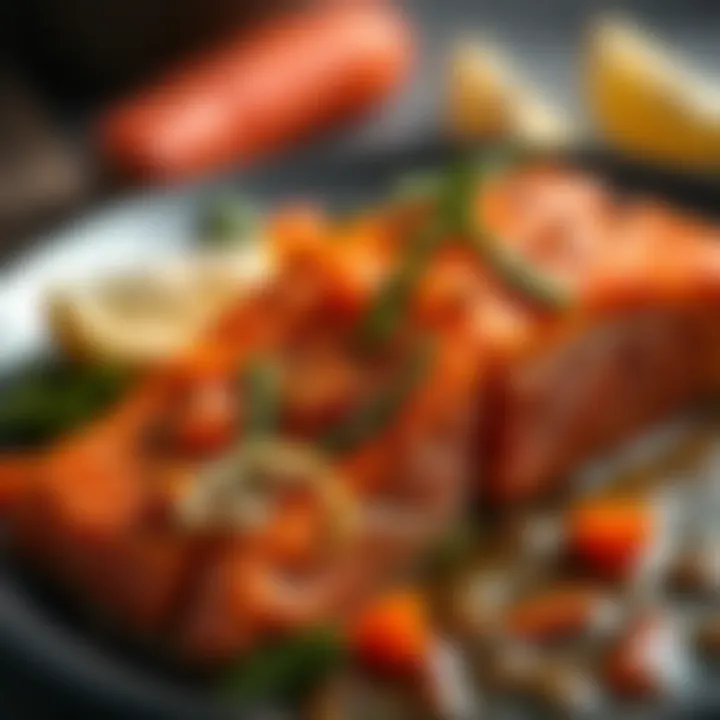
When servings wild salmon, the presentation can make a difference. Arrange the salmon on a plate, garnished with fresh herbs, lemon wedges, and colorful vegetables. Use elements of height or layering to make your dish visually appealing. Elevated presentation can transform a simple meal into a gourmet experience.
Dietary Considerations
Gluten-Free Options
Wild cut salmon is naturally gluten-free, making it an excellent option for those with gluten sensitivities or celiac disease. Pair it with gluten-free grains like quinoa or rice for a complete meal.
Vegetarian and Vegan Substitutes
While salmon itself cannot be substituted in vegetarian or vegan diets, consider:
- Tofu or tempeh for protein-rich alternatives.
- Mushrooms for a dense, savory flavor that mimics some traits of the fish.
Nutrition Facts & Nutritional Considerations
Wild cut salmon is packed with omega-3 fatty acids, which offer numerous health benefits. A 3-ounce serving typically contains about:
- 200 calories
- 23 grams of protein
- Over 1,500 mg of omega-3s
These nutrients play a vital role in heart health and reducing inflammation.
Variations and Customizations
Flavor Enhancements
Change up the flavor profile of your dish with:
- Adding smoked paprika for a subtle kick.
- Using a teriyaki glaze for a sweet and savory contrast.
Alternative Cooking Methods
Experiment with different techniques to find what you enjoy:
- Sous vide for perfectly even cooking.
- Curing the salmon in a mix of sugar and salt for a fresh twist.
Pairing Suggestions (Sides, Drinks, etc.)
Wild salmon pairs beautifully with a variety of sides and beverages. Recommended sides include:
- Roasted asparagus or brussels sprouts.
- A simple arugula salad with vinaigrette for a refreshing contrast.
- For drinks, consider a crisp white wine like Sauvignon Blanc or a hoppy IPA to balance the rich flavors of the salmon.
Common Common Questionss and Troubleshooting
Frequently Asked Questions
- What’s the best way to store leftover wild salmon? Keep it in an airtight container in the fridge, and consume it within two days for optimal taste.
- Can I freeze wild salmon? Yes, freeze it in vacuum-sealed bags to maintain freshness.
Common Mistakes to Avoid
- Overcooking is the most common mistake. Keep an eye on the cooking time, as salmon can quickly go from perfect to dry.
- Not letting salmon come to room temp before cooking can lead to uneven cooking.
Solutions to Potential Problems
If your salmon is sticking to the grill, ensure the grill is well preheated and brushed with oil. If it seems too dry, consider a marinade or butter basting during cooking to retain moisture.
Understanding the distinctions between wild and farmed salmon is crucial. Wild salmon tend to have a more complex flavor and is often better for sustainability, making it a preferred choice for many.
Prelims to Wild Cut Salmon
In the culinary world, wild cut salmon holds a revered spot, often being celebrated for its distinct qualities and flavors. Understanding this type of salmon is crucial for food lovers and chefs alike, as it not only enhances one's cooking repertoire but also informs healthier dietary choices. The appreciation for wild cut salmon transcends mere taste; it wraps around nutritional benefits, sustainability concerns, and culinary practices that elevate dishes to new heights.
Wild salmon, as opposed to its farmed counterpart, boasts a flavor profile that's hard to match. It's more than just a fish; it's a product of its environment, thriving in the wild, where it has access to a natural diet, resulting in a rich, robust flavor. These natural feeding habits contribute significantly to its nutritional density, offering a bounty of omega-3 fatty acids, proteins, and a variety of vitamins and minerals. For those diving into the realms of gourmet cooking or health-conscious eating, wild cut salmon is a treasure trove waiting to be unlocked.
Understanding Wild Cut Salmon
Diving deeper into understanding wild cut salmon, one quickly realizes that its classification is not simply about where it is caught. Wild cut salmon refers to salmon that is sourced from natural habitats, rather than being raised in controlled environments. This distinction introduces several factors—flavor, texture, and nutritional quality—that set it apart from farmed salmon. Wild salmon tends to be leaner and more flavorful due to its high levels of physical activity in a more challenging environment. It is this very activity that enriches the muscle tissue, contributing to both a firmer texture and a deeper taste spectrum.
In culinary practices, wild cut salmon can be utilized in a variety of ways—whether grilled, baked, or poached, each method brings out different nuances of flavor and texture. Furthermore, wild salmon's availability varies by season, making it all the more special when it appears in markets. Sustainable fishing practices play a key role in its acquisition, ensuring that wild salmon populations are maintained for future generations.
History of Salmon Fishing
The history of salmon fishing stretches back thousands of years, intertwined with human culture and sustenance. Indigenous communities in North America have fished for salmon for generations, employing techniques passed down through the ages. They revered salmon not just as a food source, but as a cultural symbol—celebrating their runs with festivals and rituals.
In ancient times, salmon was also crucial to trade and economy. As communities grew and the demand for this prized fish increased, various fishing methods evolved, from nets to traps that have sculpted the way salmon is harvested today. By the late 19th century, commercial fishing practices began to intensify, leading to a greater impact on salmon populations and prompting the need for regulatory measures. This history is not only one of consumption but also of conservation, highlighting how the relationship between humanity and this magnificent fish has evolved over time.
The journey from river to plate continues to be shaped by advancements in harvesting techniques and a growing awareness of sustainable practices. Understanding this history allows for a more profound appreciation of wild cut salmon—its flavors, cultural significance, and the need to approach its consumption thoughtfully.
Understanding wild cut salmon offers more than just culinary delight; it is about respecting a rich history and a sustainable future.
The Sourcing of Wild Cut Salmon
Sourcing wild cut salmon is crucial for many reasons, not just for culinary excellence but also for ecological and economic balance. Understanding where and how wild salmon is caught allows consumers to make informed choices while fostering appreciation for this prized catch. It is vital to consider the geographical origins, fishing methods, and sustainability of each source. Each aspect shapes the flavor, quality, and environmental impact of the fish, making it essential for food lovers to discern these details.
Geographical Regions
Wild cut salmon inhabits diverse aquatic environments, ranging from the icy waters of Alaska to the rugged coastlines of the Pacific Northwest. Each geographical region contributes to the unique characteristics of the salmon. For instance:
- Alaska: Known for its cold, pristine waters, the salmon here are often rich in Omega-3 fatty acids. The varieties include King, Sockeye, and Coho salmon.
- Pacific Northwest: Regions like Washington and Oregon also produce substantial amounts of wild salmon. The river systems here play a vital role in the salmon's lifecycle, affecting their growth and taste.
- Atlantic Waters: Predominantly in the North Atlantic, wild salmon like the Atlantic Salmon roams, although the species is less abundant due to extensive fishery practices.
The flavors and textures of salmon vary depending on their habitats. Salmon from regions rich in wild aquatic flora often showcase a richer taste compared to their counterparts raised in less nutrient-dense environments.
Sustainable Fishing Practices
Sustainable fishing practices are at the heart of the sourcing debate. As consumers become more conscious of environmental impacts, it’s essential to consider how the salmon was procured. Sustainable fishing not only ensures that fish populations remain healthy but also protects the broader aquatic ecosystem. Here are some key aspects:
- Regulatory Frameworks: Fisheries management bodies set regulations to control catch sizes and methods, fostering responsible harvesting. Examples include the North Pacific Fishery Management Council (NPFMC).
- Certified Standards: Certifications from organizations such as the Marine Stewardship Council (MSC) indicate that the fish comes from a sustainable source. Look for labels when purchasing.
- Local Practices: Supporting local fisheries that prioritize sustainable methods helps maintain ecological balance. Consumers can develop relationships with local fishmongers or farmers who adhere to green practices.
Adopting sustainable choices not only benefits the ecosystem but also ensures higher quality salmon on our plates, with better flavor and texture. When it comes down to it, the sourcing of wild cut salmon is not just about the catch; it's about respecting the environment and the culinary traditions that come with it. > "Choosing sustainable wild cut salmon is a conversation starter at dinner, but it’s also a statement about what truly matters to us as consumers of this precious resource."
For more insights into sustainable fishing, visit resources such as NOAA Fisheries or check the local regulations and practices linked on Ecosystem-Based Fisheries Management.
This collective understanding of the sourcing of wild cut salmon prepares us for the next steps, whether it's incorporation of these practices in our kitchens or discussing with our loved ones about where our food comes from.
Nutritional Aspects of Wild Cut Salmon
Wild cut salmon stands out not just for its taste but for its impressive nutritional profile. Understanding the nutritional aspects of this fish is vital, especially for health-conscious individuals looking to enhance their diets. Salmon offers a unique combination of high-quality proteins, healthy fats, and essential vitamins that contribute significantly to overall health.
The presence of Omega-3 fatty acids in wild cut salmon cannot be overstated. These essential fats are known to aid heart health by reducing inflammation and lowering blood pressure. Furthermore, they play a crucial role in brain function, making salmon a great choice for those concerned about cognitive health or mood stability. When comparing wild to farmed salmon, notable differences arise that can guide consumers in making informed dietary choices.
Nutritional Profile Comparison: Wild vs. Farmed
Wild cut salmon generally boasts a more favorable nutritional profile than its farmed counterpart. The variations stem from differing diets and environments. Wild salmon feed on a diet rich in natural nutrients, including smaller fish and crustaceans, which contributes to higher levels of Omega-3s.
- Omega-3 Fatty Acids: Wild salmon can contain as much as 1.5 to 2.5 grams of Omega-3 per 100 grams, whereas farmed salmon often averages a lower amount due to its feed.
- Caloric Content: Wild salmon tends to be less caloric, which may appeal to those on weight management programs. Farmed variants have more calories primarily due to the fat content associated with their feeding regimen.
- Vitamin D Levels: Wild cut salmon is often richer in vitamin D, an essential nutrient for bone health and immune function.
It's clear that wild cut salmon offers more than just taste; its blend of nutrients can be a game changer for anyone seeking balance in their meals. In light of this contrast, purchasing wild cut instead of farmed salmon can be beneficial not just for personal health, but also for environmental consciousness.
Health Benefits of Incorporating Salmon into Diet
Incorporating wild cut salmon into a regular diet has myriad health benefits, making it a worthy addition to anyone's plate. The high-quality protein found in salmon is essential for muscle repair, growth, and overall energy levels. Notably, salmon contains all nine essential amino acids, fulfilling the body's requirements without needing additional protein sources.
Here are key health benefits:
- Heart Health: The Omega-3 fatty acids present significantly reduce the risk of heart disease and stroke.
- Brain Function: Regular consumption is linked to a decrease in cognitive decline, thanks to Omega-3s promoting neuronal health.
- Eye Health: Salmon delivers vitamin A and Omega-3s, both of which support vision and may protect against macular degeneration.
- Anti-Inflammatory Properties: Salmon has natural anti-inflammatory effects, which can benefit conditions like arthritis or autoimmune disorders.
Incorporating wild cut salmon can not only nourish the body but can also be a part of a preventive health strategy. It's a food that promotes wellness from the inside out, which is why many dieticians recommend keeping this fish in the weekly rotation.
In summary, wild cut salmon isn't just a delicious seafood choice; it's a powerhouse of nutrition with far-reaching benefits for health and wellbeing.
Identifying Quality Wild Cut Salmon
When it comes to wild cut salmon, knowing how to identify quality is crucial, not only for taste but also for health. Quality salmon is not just a culinary delight; it’s a reflection of sustainable fishing practices that protect ecosystems and maintain fish populations. When you select a high-grade wild cut salmon, you ensure that you are getting the best flavor, texture, and nutritional benefits. Moreover, recognizing what constitutes quality can also lead you to support ethical sourcing practices, which is essential in today’s seafood market.
Color and Texture Indicators
One of the first things to look for in quality wild cut salmon is its color. Rich, vibrant hues characterize fresh salmon, which vary from deep orange to a lighter pink depending on the species. For instance, Sockeye salmon, renowned for its robust flavor, often presents a bright-red flesh, while Coho salmon displays a more subtle, rosy hue.


But color alone doesn’t tell the whole story. The texture is equally significant. Good salmon should feel firm to the touch. If you press it gently with a finger, it should spring back rather than remain indented. Here’s a quick checklist:
- Color: Look for brightness. Pale or dull flesh might indicate age or poor quality.
- Texture: Ensure it feels firm and bouncy, not mushy.
- Skin: If the skin is still attached, inspect it. It should be shiny, with a silvery sheen. Dull skin or dark spots can be red flags, indicating a lack of freshness.
You can easily use these indicators to evaluate the fish at a market or a restaurant. With these checks in mind, you can feel more confident as you choose the best salmon for your meals.
Freshness Tests
Determining freshness is an art in itself, but a few straightforward methods empower buyers to make better choices. Trust your senses—sight, smell, and touch can guide you to fresh wild cut salmon.
- Smell: Fresh salmon should smell like the ocean or clean water; any strong, fishy odor is a sign that the fish might have seen better days.
- Visual Inspection: Check for moistness. The flesh should have a slight sheen and look moist. If it appears dry or has brown patches, it may not be fresh.
- Gills and Eyes: If you’re buying whole salmon, open the gills— they should be bright red, not brown. The eyes should be clear and bulging, not sunken or cloudy.
In summary, by using color and texture indicators and conducting simple freshness tests, the chances of bringing home subpar salmon can diminish significantly. You'll be equipped to make a wiser choice, ensuring that every bite of your dish is as gratifying and flavorful as it can be.
"Quality comes from nature, and understanding its signs can lead to superior meals."
In the quest for quality wild cut salmon, remaining vigilant to these indicators will serve you well, ensuring that every culinary experience is not just enjoyable but also healthful.
Culinary Techniques for Preparing Wild Cut Salmon
When it comes to wild cut salmon, the cooking techniques you choose can significantly impact the flavor and texture of this magnificent fish. Using proper preparation methods not only highlights the unique attributes of wild cut salmon but also ensures that you’re reaping its many health benefits. This section plunges into three widely favored culinary techniques that will help you create sumptuous dishes, elevating your dining experience.
Grilling: Enhancing Flavor and Texture
Grilling is a favorite among food enthusiasts, especially when working with wild cut salmon. This method introduces a smoky char that beautifully complements the natural flavors of the fish. The high heat from the grill caramelizes the fish’s exterior while sealing in moisture, leading to a flaky, tender texture.
When prepping wild cut salmon for grilling, consider these vital elements:
- Marinades: A simple marinade can go a long way. Ingredients like lemon juice, olive oil, and fresh herbs elevate the taste while adding moisture.
- Direct vs. Indirect Heat: Placing salmon directly over flames yields a nice char but can overcook thin fillets. Indirect heat allows for more gentle cooking, ensuring even doneness.
- Cooking Time: Keep a keen eye on the time. Salmon usually takes about six to eight minutes per side, depending on thickness. Overcooking is the enemy of a perfect meal.
This technique brings the best out of wild cut salmon, transforming it into a dish that’s not only delicious but also visually captivating, begging to be the centerpiece on any table.
Baking: Maintaining Moisture and Nutrients
Baking is a gentle method that allows the salmon to cook evenly while retaining its rich oils, making it quite a popular choice for those who prefer a more delicate flavor. By wrapping the salmon in foil or parchment, you create a steam pouch that locks in moisture and nutrients.
Here are key considerations for successful baking:
- Temperature: A moderate oven (around 375°F or 190°C) works best. Too high temperatures can lead to dry fish.
- Herbs and Spices: Incorporate a variety of toppings around the fish, like dill, garlic, and even citrus slices, which enhance both aroma and taste.
- Cooking Time: Typically, baking requires around 20–25 minutes, depending on the thickness—just till it flakes easily with a fork.
Baking achieves a balance between flavor and health, keeping the omega-3 fatty acids intact while providing a soft, hearty meal that’s approachable for all ages.
Poaching: A Gentle Approach
Poaching is another sophisticated technique that embraces the delicate nature of wild cut salmon. This method involves cooking the fish gently in simmering water or broth, allowing it to remain moist while absorbing subtle flavors from the poaching liquid. It’s an ideal choice for those who prefer an unadulterated taste of the fish.
Important points to consider while poaching include:
- Poaching Liquid: Use a combination of water, white wine, herbs, and even aromatics like onions or carrots to impart flavor to the fish, captivating the palate without being overpowering.
- Temperature Control: Keep the liquid at a low simmer (not a rolling boil). This prevents the fish from breaking apart, allowing it to retain its structure.
- Time: Generally, poaching takes about 15–20 minutes. The salmon is done when it turns opaque and flakes easily.
The poached salmon offers a clean taste, perfect for health-conscious diners, pairing beautifully with light salads or whole grains.
Poaching not only preserves the nutrients better than frying but also embraces the fish's natural flavors, offering an enlightening culinary experience.
These three techniques—grilling, baking, and poaching—are merely starting points in your culinary journey with wild cut salmon. Each method brings unique qualities to the table, showcasing the fish’s versatility and richness, making it suitable for any occasion.
Recipes Featuring Wild Cut Salmon
When it comes to wild cut salmon, the culinary world opens up a treasure chest of flavors and techniques. Recipes featuring this exquisite fish not only highlight its inherent qualities but also serve practical purposes. One of the standout features of cooking with wild cut salmon is its versatility. It can be prepared in numerous ways that resonate with the palate, from simple grilling to intricate gourmet presentations. As we advance, it’s vital to explore the sprawling landscape of salmon recipes that can elevate any dining experience.
Not surprisingly, dishes made with wild cut salmon also tend to be packed with nutrients and health benefits, promoting a balanced diet. This section dives into various culinary approaches, revealing how home cooks and professional chefs alike can concoct delectable meals that make the most of wild cut salmon.
Salmon Fillet with Lemon and Herbs
One of the simplest and most rewarding ways to prepare wild cut salmon is by creating a salmon fillet with lemon and herbs. This dish is an ode to the natural flavors of the fish, making minimal interference while using fresh ingredients to augment its taste.
Ingredients:
- Wild cut salmon fillet
- Fresh lemon juice
- Olive oil
- A mix of fresh herbs (such as dill, parsley, and thyme)
- Salt and pepper to taste
Preparation
- Preheat your oven to 375°F (190°C).
- Place the salmon fillet on a baking sheet lined with parchment paper.
- Drizzle with olive oil, then sprinkle the fresh herbs, salt, and pepper evenly.
- Squeeze fresh lemon juice over the top.
- Bake for 15-20 minutes or until the salmon flakes easily with a fork.
This recipe exemplifies how uncomplicated preparation can result in a meal that’s not only healthful but genuinely flavorful. It's a standard crowd-pleaser, perfect for busy weeknights or special occasions alike.
Salmon Salad with Avocado and Spinach
For those warmer days or when one seeks something light yet satisfying, a salmon salad featuring avocado and spinach is a stellar choice. This dish combines the richness of the wild cut salmon with the creamy texture of avocado and the earthy notes of fresh spinach, making for both a filling and nutritious meal.
Ingredients:
- Cooked wild cut salmon (flaked)
- Fresh spinach leaves
- Ripe avocado (cubed)
- Cherry tomatoes (halved)
- Olive oil, lemon juice, salt, and pepper for dressing
Preparation
- In a large bowl, combine spinach leaves, flaked salmon, avocado cubes, and cherry tomatoes.
- In a small bowl, whisk together olive oil, lemon juice, salt, and pepper to taste.
- Pour the dressing over the salad ingredients and toss gently to combine.


This vibrant and colorful dish effortlessly champions the organic flavors of each component. Plus, it’s packed with healthy fats and protein that keep energy levels steady through the day.
Smoked Salmon: An Artisan Approach
Embracing artisan methods with salmon adds another layer of depth to this culinary journey. Smoked salmon, revered for its depth of flavor, requires precision and attention to detail. This preparation method brings out a distinct taste profile, where the smoke subtly enhances the fish's natural essence.
Ingredients:
- Wild cut salmon fillets
- Salt (preferably kosher)
- Sugar (brown sugar gives a richer flavor)
- Wood chips for smoking (like hickory or cedar)
Preparation
- Combine equal parts salt and sugar in a bowl.
- Coat the salmon fillets in the mixture and let them cure in the refrigerator for 6-8 hours.
- Rinse and dry the salmon fillets before placing them in a smoker with pre-soaked wood chips.
- Cold smoke the salmon for several hours until it reaches the desired flavor and texture.
Smoked salmon can be enjoyed on its own, or creatively integrated into various dishes, from bagels to gourmet salads. The artistry involved in creating smoked salmon captures the heart of traditional preservation methods, and it encourages a deeper appreciation for this extraordinary fish.
Wild Cut Salmon in Global Cuisines
Wild cut salmon stands out not just for its rich flavor and nutritional benefits, but also for its integral role across various global cuisines. This section explores how different cultures incorporate this versatile fish into their traditional dishes, reflecting regional tastes and cooking techniques. Wild cut salmon's adaptability spans from Nordic countries to Asia, revealing its culinary significance and the unique preparations that enhance its natural attributes.
Nordic Influence: Traditional Preparations
In Nordic countries, salmon holds a cherished place in the culinary landscape, deeply tied to local customs and seasonal practices. In places like Norway and Sweden, traditional methods such as gravlax showcase the fish's delicate flavor.
- Gravlax: This dish involves curing wild cut salmon with a mixture of salt, sugar, and dill. The result is a tender, flavorful product that can be sliced thinly and served with mustard sauce or on crispbread. When prepared properly, gravlax highlights the salmon's rich, buttery taste.
- Cold Smoked Salmon: Another popular preparation, in this method the fish is smoked at a low temperature, preserving its moisture and tender texture. It serves as a star ingredient in open-faced sandwiches, often garnished with capers and red onions, embodying the Nordic ethos of maximizing natural flavors.
Additionally, these methods often emphasize sustainability, as many Nordic countries prioritize responsible fishing practices. The connection between local food culture and sustainable sourcing reinforces the region's unique identity through wild cut salmon.
Asian Techniques: Teriyaki and Sashimi
Moving to Asia, wild cut salmon finds its way into popular dishes like teriyaki and sashimi. This versatility pays homage to both the freshness of the fish and the refined techniques that characterize Asian cooking.
- Teriyaki Salmon: In this context, salmon is marinated in a mixture of soy sauce, mirin, and sugar before grilling or broiling. The final product boasts a sticky glaze that complements the rich heart of the salmon. Sushi restaurants often feature teriyaki salmon as a popular alternative for those looking for a twist on traditional sushi.
- Sashimi: This preparation highlights the raw essence of salmon, with chefs finely slicing the fish to showcase its color and presentation. Sashimi is often garnished with wasabi and enjoyed with soy sauce, allowing diners to appreciate the pure, unadulterated flavor of the wild cut salmon. The freshness of the fish is paramount, making proper sourcing and handling crucial.
These Asian techniques not only celebrate the wild cut salmon but also incorporate cultural nuances and approaches to flavor.
By connecting with local customs and employing traditional techniques, we see how wild cut salmon transcends borders, carving a niche for itself in global culinary traditions.
Wild cut salmon’s journey through global cuisines illustrates more than just culinary practices; it reflects the rich interplay of culture, community, and sustainable eating. The dedication to honoring the fish's natural qualities shines through in each of these diverse preparations, making wild cut salmon a vital element to explore for food lovers everywhere.
Sustainability and Ethical Considerations
Sustainability and ethical considerations play a pivotal role in today’s seafood industry, particularly when it comes to wild cut salmon. As consumers become more aware of the environmental impacts associated with fishing practices, understanding these issues is crucial. The choices made in the seafood market can significantly influence fish populations, ecosystems, and local economies. Ensuring that wild cut salmon is sourced responsibly means not only preserving the natural habitats but also supporting communities that rely on fishing for their livelihoods.
Emerging trends highlight the importance of sustainable harvesting practices. The pressure on fish stocks has led to the development of regulations aimed at maintaining balance within aquatic environments. When wild cut salmon is harvested responsibly, it contributes to a healthy fish population and a thriving ecosystem.
"Sustainable fishing not only protects our oceans, but it also promotes economic stability for fishing communities."
The Role of Fisheries Management
Fisheries management is essential for maintaining the sustainability of fish stocks. This involves various strategies, including setting quotas, regulating fishing seasons, and protecting spawning habitats. Each element works together to ensure that fish populations remain healthy over time.
One key approach in fisheries management is the implementation of catch shares. This system allocates a specific portion of the total allowable catch to individual fishery operators. By giving shared ownership of the fishery, it encourages responsible practices and prevents overfishing. In the long run, fishers who see the benefits of a sustainable fishery are more likely to protect the resource rather than exploiting it.
Additionally, effective monitoring systems, which may involve using technology such as satellite tracking, provide data that guides management decisions. These practices help ensure fishers adhere to regulations, making wild cut salmon a more sustainable option for consumers.
Consumer Responsibility in Seafood Choices
Consumers play a crucial role in promoting sustainable practices. When purchasing wild cut salmon, being informed about its sourcing and fishing methods matters greatly. Making seafood choices that align with ethical standards not only supports responsible fisheries but also influences market demand.
Here are some simple ways consumers can practice responsible seafood purchasing:
- Research Brands: Familiarize yourself with brands that engage in sustainable fishing practices. Look for certifications from credible organizations like the Marine Stewardship Council (MSC) or the Aquaculture Stewardship Council (ASC).
- Ask Questions: Don’t hesitate to inquire about the source of your salmon when dining out or shopping at the fish market. Responsible retailers will be happy to provide information about their sourcing practices.
- Support Local Fishers: When you buy from local fishers or farmers’ markets, you can often trace the origin of your seafood. Supporting small, local operations often has a better impact on your community and the environment.
By taking these steps, consumers can play an active role in ensuring the health of the oceans and the fish populations that inhabit them, while also enjoying the culinary benefits of wild cut salmon. Better seafood choices lead to an eco-conscious plate, making sustainability a shared responsibility.
Future Trends in Salmon Sourcing
Understanding the future trends in salmon sourcing allows us to stay ahead of the curve, especially as consumers become more discerning about their dietary choices. This section dives into developments that could shape the salmon market. As the conversation around sustainable gastronomy grows, it’s vital to recognize how sourcing practices not only affect the environment but also the quality of the salmon served on our plates.
Aquaculture Innovations
Aquaculture is pivoting with innovation, crucial for meeting global demand for salmon. Traditional methods may not cut it anymore. We are beginning to see exciting advances in technology that aim to enhance fish farming. For example, indoor recirculating aquaculture systems (RAS) allow for highly controlled environments that are less prone to disease while conserving water. These systems can be set up virtually anywhere, reducing the dependence on coastal regions.
Moreover, genetic research is also making waves. Selective breeding has become a regular practice, aiming to create strains of fish that grow faster and are more resilient against diseases. This aligns with both sustainability and improved yield. Consumers are looking for fish that not only tastes good but also is produced responsibly.
But innovation doesn’t stop there.
- Plant-based feeds are emerging, which significantly reduce the carbon footprint traditionally associated with seafood. Feeding fish land-based proteins can lead to a more sustainable aquaculture model.
- Digital tools and data analytics help farmers monitor water quality and fish health closer than ever, leading to earlier intervention when something isn’t right. This real-time tracking makes the farming process more efficient, ultimately ensuring a better quality product.
By embracing these trends, aquaculture can evolve to meet the growing needs of ethically-minded consumers looking for sustainable sources of wild cut salmon.
Market Trends Affecting Wild Cut Salmon
The market for wild cut salmon isn’t static; it morphs with various factors. Understanding these influences is key for anyone interested in salmon sourcing. The transition from farmed to wild-caught isn't just a culinary preference, it's a market-driving force.
Here are some significant trends shaping the current landscape:
- Consumer Awareness: The modern eater is more informed than ever. They often research the origin of their food, emphasizing the importance of transparency in sourcing.
- Shifts in Dietary Preferences: With a rising focus on plant-based diets, there’s growing attention to the balance of seafood within diets. Salmon, known for its rich omega-3 fatty acids, holds a strong position, but sustainability will drive its marketability.
- Environmental Regulations: New regulations regarding fishing practices make sure industries follow eco-friendly guidelines, affecting availability. Fewer fishing licenses can limit supply, influencing prices and leading to more conversations about the true value of sustainable seafood.
- Marketplace Disruption: As technology changes, online seafood markets are blooming. You can find fresh wild cut salmon delivered to your door, expanding access but also creating fierce competition.
The market for wild cut salmon thrives on consumer education; buyers today want to ensure they are making ethical choices that positively impact the world.
Grasping these trends not only benefits culinary enthusiasts but also aligns with the ethical responsibilities we have as consumers. With an eye towards the future, the way we source our salmon can pave the way to a healthier planet.