Exploring the Diverse Uses of Angel Hair Nests in Cooking
Intro
Angel hair nests hold a unique place in the pasta world, often celebrated for their delicate texture and versatility. These serene, thin strands of pasta, when shaped into nests, not only captivate the eye but also lend themselves to a plethora of culinary applications, combining both tradition and innovation in every dish.
As we dive deeper into the essence of angel hair nests, we’ll uncover their rich history, preparation methods, and the ways various cultures have embraced them. This discussion aims to guide both beginners and seasoned cooks alike — equipping you with practical tips and expert insights to successfully integrate these delightful nests into your cooking repertoire.
By understanding the foundational ingredients and techniques, as well as the tantalizing possible variations, you can enhance your meals in ways that are sure to impress family and friends. Join us on this culinary journey as we explore the versatility of angel hair nests, enriching your culinary experience with ideas that reflect both tradition and modern flavors.
Intro to Angel Hair Nests
Angel hair nests are a delightful manifestation of culinary creativity, representing both tradition and innovation in pasta preparation. This fine, delicate pasta is not just about its silky texture but also about how it can transform a simple dish into a work of art on a plate. The key to understanding angel hair nests lies in their unique form; they beckon the diner with their visually appealing spirals, providing an enticing twist to the standard pasta presentation.
In culinary discussions, angel hair nests often get overshadowed by heavier or more robust pasta types. However, they carry a weight of their own in flavor and versatility. Incorporating angel hair nests into your culinary repertoire offers several benefits:
- Visual Appeal: The way they are arranged can elevate the dining experience. Imagine a beautifully crafted nest, cradling a delicious sauce or fresh vegetables, creating a centerpiece that's as pleasing to the eye as it is to the palate.
- Textural Contrast: The lightness of angel hair nests allows for numerous flavor combinations without overwhelming the senses. This complements various toppings, from rich, creamy sauces to light, herb-infused oils.
- Quick Cooking Time: In today's fast-paced world, angel hair nests can be a lifesaver. Their rapid cooking time makes weeknight dinners fuss-free, helping you make a wholesome meal without spending hours in the kitchen.
- Culinary Versatility: Whether you’re delving into Italian classics or exploring fusion cuisine, the adaptability of angel hair nests opens doors to a world of flavors. They can be paired with traditional sauces like marinara or dressed with Asian-inspired ingredients, creating a delightful culinary intersection.
Understanding the significance of angel hair nests sets the stage for appreciating their role in both historical and contemporary culinary landscapes. It’s this versatility that allows food lovers of all ages to explore and experiment, turning everyday meals into exceptional dining experiences. When expertly prepared, angel hair nests can lead to memorable moments at the dining table, encouraging everyone to step outside their comfort zones and try something new.
"A well-crafted dish is like a good story; it captivates, intrigues, and nourishes the soul."
As we delve deeper into the preparation, cooking methods, and the myriad of ways to serve angel hair nests, we will unearth the potential this dish holds in modern cuisine. From personal celebrations to family gatherings, angel hair nests can play a starring role, encouraging creativity and expression in the kitchen.
Historical Background
Understanding the historical significance of angel hair nests is vital to appreciating this unique culinary creation. The intertwining of tradition and innovation within this dish reflects broader food culture influences across regions. Angel hair pasta, known for its delicate form, isn't just a staple in Italian kitchens but also holds a special place in global cuisine. The evolution of this dish mirrors cultural exchanges and adaptation over centuries, making it a fascinating subject to discover.
Origins of Angel Hair Pasta
Angel hair pasta, or capellini, is said to have originated in Italy. Its roots can be traced back to the Italian artisans of the 1700s, who took meticulous care to craft thin strands of durum wheat pasta. This traditional pasta is meant to capture subtle flavors, allowing light sauces to shine without overpowering the dish. The Italians adeptly used it in various warm and cold dishes, solidifying its place in different culinary scenarios. The significance of this pasta stretches beyond taste; it is a testament to Italy's rich pasta-making heritage.
Chefs like Pastaio in Bologna played an essential role in elevating angel hair noodles through regional specialties. In popular dishes such as capellini primavera, the pasta intertwined with seasonal veggies creates a vibrant and colorful meal that embodies food freshness. Understanding this origin allows modern cooks to respect the craft involved in producing angel hair—resulting in a culinary experience that respects tradition.
Evolution of Nests in Culinary Traditions
As various cultures embraced and adapted angel hair pasta, the concept of shaping it into nests gained popularity. This artistic presentation adds flair while providing a unique method for enjoying the dish. For instance, Asian influences introduced a new spin on nests by incorporating local ingredients and spices for new flavors. The art of nest-making isn't solely about aesthetics; it serves a practical purpose too. The nests allow for even cooking and facilitate the use of sauces, creating a beautiful marriage of texture and taste.
One cannot overlook how cultural exchanges have contributed to these nests finding homes in numerous cuisines. In France, the introduction of nids de pâtes showcases this adaptability. Here, angel hair is often paired with rich creams and flavorful seafood, resulting in an exquisite dining experience. Similarly, in Japanese cuisine, one might find angel hair influenced by soba or udon, resulting in crossed culinary lines that elevate the concept of pasta.
Through globalization, these nests have not only expanded recipes to include local flavors but also encouraged chefs to innovate. Whether it's Italian, Asian, or a fusion recipe, the versatility of angel hair nests stands as a cultural reminder of how food bridges gaps, creating a delightful tapestry of flavors and methods.
"Cuisine is the most beautiful form of communication. It transcends borders and opens our minds and palates to new experiences."
In summary, the historical background behind angel hair nests provides insight into their craft, cultural significance, and ongoing evolution within global cuisines. As we learn about its origins and transformations, we also appreciate the dish's nuanced potential in our culinary explorations.
Understanding Angel Hair Pasta
When we dive into understanding angel hair pasta, we step into a world that’s both delicate and intricate. This slender pasta, often hailed for its elegance, is a fundamental player in many cuisines around the globe. Its role in culinary creations goes beyond mere sustenance; it’s about texture, sauce adhesion, and the visual appeal on a plate. The importance of this section lies in discerning how these characteristics not only enhance the experience of eating but also elevate the cooking process.
Characteristics and Texture
Angel hair pasta, also known as , is beloved for its ultra-thin strands that cook swiftly and hold a unique charm. The texture of this pasta can be described in one word: delicate.
- Quick Cooking Time: Often ready in just three to five minutes, angel hair requires careful attention during cooking. A minute too long can lead to a mushy disaster.
- Surface Area: Its fine strands offer a greater surface area, which is perfect for lighter sauces. The way they twist and twirl on a fork makes for a delightful mouthfeel.
“The beauty of angel hair lies in its simplicity, yet it has an innate ability to transform a basic dish into something whispering of sophistication.”
The pasta's lightness presents a nuanced canvas, inviting garnishes and flavors to dance. For a dish to shine, the sauce must complement without overpowering this tender noodle. Hence, understanding the characteristic of angel hair is paramount for anyone wanting to master its use in the kitchen.
Nutritional Profile
Peering into the nutritional aspects of angel hair pasta unveils its appeal not just as a delightful dish but also as a source of fuel for the body.
- Carbohydrate Content: Mostly made of semolina flour, it’s a solid source of energy. For those who lead active lives, it provides the carbs needed for sustained activity.
- Low Fat: Typically, angel hair has little to no fat, which can be favorable for those monitoring their dietary fat intake.
- Vitamins and Minerals: While not brimming with a diverse range of nutrients, whole grain versions of angel hair offer some B vitamins and iron.
However, like many refined pastas, it’s worth noting that angel hair lacks significant dietary fiber unless you select whole grain varieties. This can impact digestive health, so pairing this pasta with fiber-rich ingredients like vegetables or legumes can enhance its nutritional profile and make for a balanced meal.
Preparing Angel Hair Nests
Preparing angel hair nests is a pivotal component of this article because it lays the groundwork for truly enjoying this unique pasta form. Angel hair, known for its delicate texture, morphs beautifully when formed into nests, making it not only visually appealing but also functional for various dishes. Understanding how to prepare these nests properly ensures that they are both delicious and striking when served.
The process of forming these nests requires attention to detail. Selecting the right ingredients is crucial. The quality of the pasta affects the outcome, and fresh ingredients can elevate the dish to new heights. It's also important to grasp the cooking methods to avoid various pitfalls that beginners often encounter.
Ingredients Selection
When selecting ingredients for your angel hair nests, consider fresh produce, herbs, and proteins that can accentuate the delicate nature of the pasta. Here’s a quick breakdown of what to look for:
- Pasta Quality: Choose high-quality angel hair pasta. Brands like Barilla or De Cecco are trusted choices, but artisanal versions can offer a richer flavor.
- Fresh Vegetables: Ingredients such as cherry tomatoes, basil, and bell peppers add brightness and flavor.
- Proteins: Options like shrimp, chicken, or tofu can provide additional heartiness, catering to both meat lovers and vegetarians alike.
- Herbs and Seasonings: Fresh herbs like basil, oregano, or even a hint of lemon zest can bring a burst of flavor.
By opting for seasonal produce, the overall dish benefits greatly. Think of variety in color and texture to create a visually appealing and mouth-watering nest.
Step-by-Step Preparation Guide
Creating angel hair nests may seem daunting at first, but breaking it down into simple steps helps. Follow this guide to perfect your nests:
- Cook the Pasta: Start by boiling a pot of salted water. Cook the angel hair pasta according to the package instructions until just al dente.
- Drain with Care: Once cooked, drain the pasta, but reserve a cup of the cooking water. This can help adjust the sauce's consistency later.
- Cool Down: Rinse the pasta briefly under cold water to stop the cooking process. Let it sit in a colander to ensure the excess water has drained.
- Forming the Nests: Using a fork or a dining fork, take a small portion of pasta and twirl it around your fork to create a nest shape. Be careful not to make it too big—about the size of a fist should do.
- Set on a Baking Sheet: Place the nests on a lightly greased baking sheet, ensuring there's space between each one.
- Bake (Optional): For those who prefer a roasted touch, bake the nests in a preheated oven at 350°F (175°C) for roughly 10 minutes until they are lightly golden.
- Top It Off: Add your choice of sauce or topping. Whether it’s a light olive oil drizzle or a rich marinara, it’s your call.
Cooking Techniques
Cooking techniques are the backbone of culinary creativity, especially when it comes to transforming simple ingredients into memorable dishes. In the context of angel hair nests, mastering the different methods can elevate this delicate pasta to new heights. The way you cook and prepare angel hair can significantly affect its texture, flavor, and the overall presentation of the dish.
Common Cooking Methods
When it comes to cooking angel hair nests, several common methods can yield excellent results. Each technique has specific benefits and considerations:
- Boiling: The most straightforward method involves boiling water and cooking the pasta until al dente. This approach ensures that the nests maintain a light and airy quality. The timing here is crucial; leaving them in the water for just a minute too long can lead to a clumpy, mushy mess.
- Sautéing: This method involves cooking pre-boiled angel hair in a hot skillet with a bit of oil or melted butter, usually enhanced with garlic or herbs. Sautéing can add a lovely golden hue and enrich the flavor profile. Some cooks even like to add broth or wine for an extra punch.
- Baking: Baking angel hair nests in the oven can create a unique texture, with crispy edges that contrast beautifully with the soft center. This method often involves preparing a sauce to pour over the nests before baking, allowing flavors to meld together.
Here’s a simple overview of boiling time based on the brand of pasta:
- Dry Angel Hair: 4 to 6 minutes.
- Fresh Angel Hair: 2 to 3 minutes.
“When cooking pasta, it's all about timing. A watchful eye and a taste test can often be the difference between passable and perfect.”
Advanced Techniques for Perfect Nests
Once you've grasped common methods, you might want to take it a step further with advanced techniques that promise perfection in both taste and presentation.
- Nest Formation: Achieving the iconic nest shape requires a skillful touch. One approach is to use a fork to twist strands of cooked pasta into a circular shape on a plate. This creates height and can help with sauce and toppings later on.
- Flavor Infusions: Cook your pasta in flavored water (such as chicken broth or vegetable stock) instead of plain water. This subtle variation infuses the nests with added depth, making the pasta itself a highlight.
- Stir-Fry Style: For a quick and nutritious dish, consider stir-frying cooked angel hair with a mix of vegetables and proteins. The thin pasta acts as a perfect base, seamlessly absorbing the flavors of stronger ingredients such as soy sauce or sesame oil. This technique allows for endless variations and adaptability.
- Chill and Serve: Another cutting-edge take involves chilling cooked nests and using them in cold dishes or salads. This prevents them from sticking together while delivering a refreshing element to your meal. Toss in fresh herbs, cherry tomatoes, and a drizzle of olive oil for a light summer dish.
Each cooking method brings its charm to angel hair nests, making them an incredible canvas for culinary exploration. Utilizing these techniques enables home cooks and aficionados alike to weave amazing stories through taste and texture, making each meal a noteworthy occasion.
Serving Suggestions
When it comes to angel hair nests, serving suggestions play a pivotal role in elevating the dining experience. This delicate pasta, which can often appear dainty on the plate, not only captivates the eye but also invites the palate to explore layers of flavor. Understanding how to present and pair this dish can significantly enhance its culinary appeal.
Pairing with Sauces
Choosing the right sauce for angel hair nests is like pairing a fine wine with a gourmet meal; it can make or break the dish. Given the pasta's thin strands, lighter sauces often shine brightest. A classic choice is a simple garlic and olive oil sauce, which not only complements the pasta's texture but also allows the flavor of the base to stand out without overwhelming it. Here are a few noteworthy sauce options:
- Marinara Sauce: This tomato-based sauce, packed with garlic and fresh basil, imbues the nests with a refreshing zing.
- Aglio e Olio: A robust blend of garlic sautéed in olive oil with a dash of red pepper flakes brings out the best in angel hair, emphasizing its texture.
- Pesto: A vibrant basil pesto, with its nutty undertones, offers an aromatic richness while respecting the delicacy of the pasta.
- Cream-Based Sauces: If you’re opting for something richer, a light alfredo or a mushroom cream sauce can provide a luscious mouthfeel that clings to the nests perfectly.
Consider also the temperature of your sauce. A warm sauce can bring the nests to life, while a cold sauce like a fresh tomato salsa can offer a colorful and refreshing contrast, especially in a summer dish.
Complementary Ingredients
Complementing ingredients are the finishing touches that transform a standard plate into a culinary masterpiece. When serving angel hair nests, consider textures and flavors that will not compete with the pasta but instead enhance its features. Here are components to keep in mind:
- Vegetables: Lightly sautéed vegetables such as zucchini, bell peppers, or asparagus add not just color but also a crunch that makes each bite exciting.
- Proteins: For a heartier meal, consider grilled shrimp, chicken, or even scallops. These proteins can stand out without overshadowing the delicate nature of the nests.
- Herbs and Spices: Fresh herbs like basil, dill, or parsley can brighten the dish. A sprinkle of freshly grated Parmesan adds richness without being too heavy.
- Nuts: Toasted pine nuts or walnuts sprinkled on top lend a crunchy contrast and a nutty flavor that pairs beautifully with sauces.
"A plate of angel hair nests isn’t just a meal; it’s an art form waiting to be styled with flavors and colors."
These elements working in concert can create a beautiful symphony of flavor, making each bite an experience in itself. When combined thoughtfully, you can create unique dishes that highlight the versatility of angel hair nests in your culinary repertoire.
Culinary Variations Across Cultures
Culinary variations across cultures not only highlight the unique flavors and techniques specific to regions but also demonstrate the creative adaptability of each type of cuisine. Angel hair nests, with their delicate form and culinary flexibility, have found their way into numerous traditions, reflecting diverse cultural identities and preferences. As food lovers delve into these culinary landscapes, they find an exciting array of dishes and flavors that broaden the appeal and application of angel hair nests.
Exploring these variations is vital not just for culinary enthusiasm but also for fostering appreciation of the cultures that influence our dining experiences. Each preparation tells a story, often linked to local ingredients, historical contexts, or even regional cooking methods.
Italian Preparations
Italian cuisine embraces angel hair nests with undying passion, serving as a blank canvas for the country's rich flavors. In Italy, one might find nests nestled in light, flavorful sauces such as a classic Pomodoro or aglio e olio, where garlic and olive oil highlight freshness and simplicity. Traditional recipes often emphasize the quality of the ingredients over complexity.
For instance, a popular Italian dish called "Capellini alle Vongole" features angel hair nests tossed with tender clams, white wine, and a touch of parsley. Such pairings effortlessly encapsulate the essence of Italian cooking, where the beauty lies in the harmony between pasta and fresh produce.
- Key ingredients used in Italian angel hair preparations include:
- San Marzano tomatoes for sauce bases
- Garlic for depth of flavor
- Olive oil for richness
This adaptability is evident as each regional specialty showcases local ingredients, illustrating how the basic form of an angel hair nest can adapt to different culinary preferences.
Asian Influences on Angel Hair Dishes
In Asia, the application of angel hair nests extends beyond traditional Italian cooking, allowing for an amalgamation of flavors and cooking techniques. Countries like China and Japan have embraced the texture of angel hair pasta, incorporating it into stir-fried dishes or refreshing salads.
For instance, a cold noodle salad called "Korean Bibim Naengmyeon" could utilize angel hair nests for a lighter touch, featuring vibrant vegetables and a spicy sesame dressing.
"The beauty of integrating angel hair into Asian cuisines showcases how versatile this pasta truly is, bridging gaps between seemingly different food traditions."
Some dishes see the nests marinated lightly or tossed in wok with soy sauce and seasonal vegetables, highlighting garlic, ginger, and chili notes, capturing the essence of various Asian flavors.
Fusion Recipes Featuring Angel Hair Nests
Fusion cuisine takes the culinary experience up a notch, where culinary boundaries melt away, leading to unexpected combinations. Angel hair nests serve as an excellent vehicle for creativity in fusion recipes.
One such example would be a "Lobster and Angel Hair Nest" tossed in a coconut curry sauce, merging Italian pasta with an artistic twist on a Thai classic. Such dishes often include vibrant herbs like cilantro, basil, and a zest of lime, creating a delightful marriage of flavors.
Incorporating diverse ingredients like spiced chickpeas, smoked salmon, or even exotic fruits opens the door to innovative uses for angel hair nests. Here are a few ideas:
- Fusion dish inspirations:
- Pesto and Tandoori Chicken Nests
- Teriyaki Shrimp Angel Hair Nests
- Mediterranean-Asian Wraps with Angel Hair
In a world increasingly fond of blending flavors, angel hair nests stand as a testament to culinary versatility, which invites cooks of all kinds to exploration and experimentation.
Innovative Uses of Angel Hair Nests
Angel hair nests not only hold a firm place in the culinary arts due to their delightful texture and appearance, but they also showcase remarkable adaptability in various culinary applications. The unique presentation and versatility of these nests allow for creative interpretations across different courses. Today’s exploration digs deep into how these delicate pasta formations can transform from appetizers to desserts, making them a versatile staple in any kitchen.
Unique Appetizers
When it comes to appetizers, first impressions matter. Angel hair nests perfectly marry this concept with their ability to add an elegant touch to starter plates. For instance, try plating a nest filled with a light seafood medley—think shrimp, crab, and scallops—tossed in a zesty lemon-garlic sauce. This combination highlights not just flavor but texture, as the tender pasta nest cradles the succulent seafood beautifully.
Options are plenty, too. Here are a few creative approaches to consider:
- Vegetable nests: Roast vegetables like bell peppers, zucchini, and asparagus, toss them with seasoned olive oil and arrange atop a nest for a fresh and colorful start.
- Cheese and herb mixture: Blend ricotta or goat cheese with fresh herbs, fill the nest, and briefly bake or grill. The result is an oozy bite packed with flavor.
"First impressions often lead to lasting perceptions; appetizing presentations can tantalize the palate and set the stage for a memorable meal."
Decadent Main Courses
As a main dish, angel hair nests can become the centerpiece of your plate. Using nests not only enhances the visual appeal but also allows for creative layering of flavors. A top-tier idea would be to fill them with a rich bolognese sauce, allowing the meat to meld with the delicate pasta, creating a balance of sustenance and sophistication.
Think beyond traditional Italian dishes as well. Here’s where flavor fusion comes into play:
- Asian-inspired nests: Consider a nest filled with stir-fried vegetables and teriyaki-glazed chicken or tofu. The contrast of textures forms a harmonious balance, contrasting tender pasta with crisp veggies.
- Creamy Alfredo delight: Use a creamy Alfredo sauce enriched with fresh herbs or sun-dried tomatoes, poured over the nests. This rich sauce clings to the nests, delivering a sumptuous experience with every forkful.
Creative Desserts
Innovating further, angel hair nests can venture into sweeter realms. While it might sound surprising, these nests can be crafted into delightful desserts that echo the intricacies of culinary art. A popular direction is the creation of candy nests, often used in festive gatherings.
To make this dessert, sweeten some angel hair pasta with caramel or melted chocolate, shape them into nests, and let them firm up. Once set, fill these nests with fresh berries, whipped cream, or a dollop of mousse. Here are some more ideas:
- Fruit and yogurt parfaits: Layer nests with Greek yogurt and a mix of seasonal fruits, transforming them into a refreshing morning treat.
- Chocolate mousse nests: Serve rich chocolate mousse in angel hair nests for an upscale dessert that combines elegance with indulgence.
Common Mistakes to Avoid
When embarking on the delightful journey of preparing angel hair nests, it's crucial to be aware of some common pitfalls that could detract from the dish's potential. Recognizing and avoiding these mistakes can mean the difference between a charming presentation that impresses your guests and a disheveled plate that leaves them questioning your culinary skills. This section explores the significant errors to steer clear of, helping both novice and seasoned cooks elevate their experience with this versatile pasta.
Overcooking the Pasta
One of the most prevalent mistakes in cooking any type of pasta, including angel hair, is overcooking. This delicate pasta type, known for its fine strands, can turn from al dente to mushy quicker than you might think. As a general rule, angel hair pasta cooks in about 2 to 4 minutes, depending on the brand and thickness.
To avoid this mishap, it’s advisable to set a timer and begin testing the pasta at around the two-minute mark. When it’s perfectly cooked, the pasta will have a slight firmness when bitten, releasing a subtle nuttiness and flavor. Consider these tips:
- Boil plenty of water: Use a large pot filled with a good amount of water. This helps maintain the temperature when pasta is added.
- Salt the water generously: Adding salt enhances the overall flavor of the pasta, so don’t forget that step.
- Rinse immediately with cold water: Following the cooking time, rinsing pasta briefly can stop the cooking process and help maintain its texture.
With these steps, you’ll ensure that the angel hair retains its culinary charm without surrendering to the perils of overcooking.
Improper Nest Formation
The art of creating angel hair nests isn’t just about cooking but also involves a fair bit of technique in the presentation. Improper nest formation is another common blunder that can spoil the aesthetics and functionality of the dish. When nests are poorly formed, they can collapse during serving, leading to a messy platter instead of the elegant presentation you aim for.
To mold an appealing nest:
- Use tongs or a fork: This is where the tools of the trade come handy. Using either can help gather the cooked strands into a twisted shape.
- Allow steam to escape: Let the pasta rest for a moment after cooking. This allows the strands to cool slightly, making them easier to handle without clumping.
- Create a base: Using a flat surface like a plate, gently lift the cooked pasta and twist it into a small mound, setting it down lightly.
Besides aesthetics, well-formed nests can also enhance the overall dining experience, allowing for sauce and toppings to cling better without sliding off the pasta.
"The secret to a successful angel hair nest lies not only in cooking but also in the grace of its formation. A tidy nest draws the eye and sets the stage for a delightful meal."
In summary, being conscious of these common mistakes with angel hair nests can greatly elevate the quality of your dish. Avoid overcooking to preserve the texture, and take care in forming your nests for an appealing presentation. By paying attention to these details, you set yourself up for a successful culinary endeavor that showcases the delightful versatility of angel hair nests.
Tools and Equipment Needed
When it comes to crafting angel hair nests, having the right tools and equipment is crucial. Proper gear not only simplifies the preparation process but also elevates the overall presentation of the dish. While you can get by with the basics, certain specialized tools can make a world of difference in efficiency and quality.
Essential Kitchen Tools
To start, here are some essential kitchen tools that every cook should have when working with angel hair nests:
- Large Pot: A deep pot is necessary for boiling the pasta. Choosing one with a wide base allows for even cooking and prevents the strands from sticking.
- Colander: After cooking the pasta, you’ll need a reliable colander to drain it. Look for one with small holes to catch the fine strands.
- Forks or Tongs: These are vital for twirling the pasta and forming those delightful nests. A pair of long-handled tongs can help you manipulate the delicate strands with ease.
- Cutting Board: A sturdy cutting board provides a suitable surface for preparing any accompanying ingredients you might need.
- Chef's Knife: A sharp knife is your best friend for chopping herbs and vegetables that you may want to use in conjunction with the nests.
Having these tools on hand ensures that you can create beautiful and tasty angel hair nests without fuss. Not only does it streamline the cooking process, but it also helps maintain the integrity of the pasta, giving you that perfect bite every time.
Optional Equipment for Enhanced Results
While the essential tools will get you far, there are optional pieces of equipment that can greatly enhance your results and make your cooking experience more enjoyable:
- Pasta Machine: If you are feeling ambitious, a pasta machine allows you to craft fresh, homemade angel hair pasta. The process is a bit hands-on but guarantees a texture that store-bought options can rarely replicate.
- Silicone Baking Mats: These mats can be a game-changer when it comes to baking nests in the oven. They provide a non-stick surface, making it easy to lift nests off without damaging them.
- Food Processor: When making sauces to accompany your nests, a food processor can chop ingredients in a jiffy, offering a smooth and consistent texture.
- Deep Fryer: If you want to try frying angel hair nests for a different texture, a deep fryer will give you even heat, ensuring a crispiness that’s hard to beat.
Storing and Reheating Angel Hair Nests
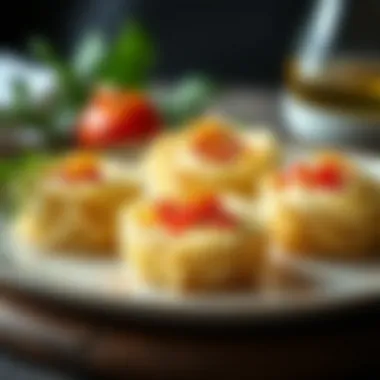
Storing and reheating angel hair nests properly is not just a matter of convenience; it’s a crucial factor in preserving the integrity and flavor of this delicate pasta. As they are often prepared in special dishes or occasions, making sure they are stored well can mean the difference between a delightful dish and a soggy mess. This section covers the ins and outs of managing leftover nests, ensuring they remain as delicious as when they were first made.
Proper Storage Techniques
To maintain the quality of your angel hair nests, it’s essential to adopt good storage practices. Here are some in-depth paragraphs detailing the proper techniques:
- Cool Down First: Before diving headfirst into packing your angel hair nests away, let them cool down to room temperature. Storing them while hot can create steam, leading to sogginess. Aim for a cool ambient temperature — about 20 to 22 degrees Celsius is ideal.
- Use Airtight Containers: Invest in rigid storage containers with airtight seals. These will become your best allies in keeping moisture out and preserving the original flavor. Not only does this prevent the nests from drying out, but it also helps in keeping any unwanted odors away.
- Layer Wisely: When stacking nests in the container, place parchment paper or wax paper between the layers. This simple trick keeps them from sticking together and breaking apart when you try to get a nest out later. Make sure not to overstuff the container; give them some breathing room.
- Refrigeration: If you plan on eating them within a day or two, refrigerate them. Place the airtight containers in the coldest part of your fridge, where they can stay fresh for up to three days. However, if you need to store them longer, consider freezing.
- Freezing for Longevity: For extended storage, freezing is the way to go. Spread the nests on a baking sheet lined with parchment paper to freeze them individually first. Once frozen solid, transfer them into freezer bags, squeezing out excess air to prevent freezer burn. Label the bags with dates; properly stored, they can last for up to three months.
Reheating Tips
Reheating angel hair nests calls for a little finesse to avoid overcooking or ending up with a clumpy heap. Here are some guidelines:
- Gentle Reheating in Water: The best method for reheating is a quick dip in boiling water. Bring a pot of water to a gentle boil, then drop in the nests for about 30 seconds. This method swiftly warms them while keeping their texture intact. For frozen nests, allow about two minutes in the boiling water.
- Microwave Method: If you’re in a hurry, the microwave can be a life-saver. Place the nests in a microwave-safe bowl, splash a few drops of water over them, and cover with a damp paper towel. Heat in intervals of 30 seconds on low power, checking frequently. This ensures even heating without drying them out.
- Sautéing with Sauces: If you want to add extra flavor while reheating, consider sautéing the nests in a pan with a light drizzle of oil or sauce. This technique can revitalise them and infuse a fresh taste. Just toss gently for a few minutes until warmed through.
Remember, the key to reheating is to maintain the delicate nature of the angel hair nests, ensuring they don’t turn mushy or stick together.
By following these storage and reheating tips, you can enjoy your angel hair nests long after the first meal, retaining their charm and taste. The culinary experience doesn’t have to end just because you have leftovers; with the right approach, they can offer sustenance and satisfaction another day.
Exploring Dietary Adaptations
In an era of heightened awareness surrounding nutritional choices, the culinary world increasingly embraces dietary adaptations. Exploring these alternatives not only caters to individual health needs but also aligns with cultural and ethical considerations. When it comes to angel hair nests, understanding how to adapt this classic dish can open the door to a wide array of delicious and inclusive meals. Whether due to allergies, lifestyle choices, or dietary restrictions, knowing how to modify recipes allows everyone to enjoy the rich textures and flavors of angel hair pasta.
Gluten-Free Options
For many food enthusiasts, gluten can be a troublesome ingredient, triggering sensitivities or intolerances. Thus, embracing gluten-free alternatives to angel hair nests is paramount. Lucky for us, the market is brimming with options.
One of the most popular alternatives is rice pasta, which replicates the delicate texture of traditional angel hair remarkably well. Brands like Tinkyada and Jovial offer options that hold up beautifully whether you choose to sauté them or pair them with rich sauces.
Another viable option is quinoa pasta. It's not only gluten-free but also delivers a nutty flavor and heightened protein content, making it a robust addition. This type of pasta brings a little twist to the classic while remaining friendly to those avoiding gluten.
Tips for Cooking Gluten-Free Angel Hair:
- Rinse Before Cooking: Give the pasta a quick rinse under cool water to avoid sticky clumps.
- Watch the Time: Gluten-free pasta typically cooks faster, so keeping an eye on it is essential.
- Don’t Skip the Oil: Adding a splash of olive oil to the pot can help increase the flavor and reduce stickiness.
"Exploring gluten-free options provides an avenue for culinary creativity while ensuring dietary inclusivity."
Vegan and Vegetarian Alternatives
As the plant-based movement continues to grow, incorporating vegan and vegetarian options into traditional recipes has never been more relevant. Angel hair nests can be easily adapted to meet the cravings of a diverse eater.
For a vegan-friendly dish, consider using legumes such as lentils or chickpeas as a base. They can be blended until smooth and formed into nests, providing not only a unique texture but also valuable protein and fiber. Additionally, spiralized vegetables like zucchini or beetroot can mimic the nest form and add vibrant color without sacrificing taste.
Moreover, there are various brands that produce plant-based pasta made from ingredients such as chickpeas, lentils, or even edamame. These alternatives often offer a satisfying al dente bite and are packed with nutrients.
Helpful Tips for Vegan/Vegetarian Angel Hair Nests:
- Experiment with Flavours: Use nutritional yeast for a cheesy flavor without dairy.
- Incorporate Fresh Herbs: A handful of fresh basil or parsley can elevate the dish tremendously.
- Creative Sauces: Try out avocado sauce or a zesty lemon/tahini dressing for a fresh twist.
By exploring these dietary adaptations, cooks can ensure that angel hair nests remain an accessible culinary delight for everyone, regardless of their dietary preferences. Embracing inclusivity in the kitchen enriches culinary experiences and fosters a greater appreciation for tastes across the board.
The Role of Angel Hair Nests in Modern Cuisine
In contemporary cooking, the role of angel hair nests has morphed significantly, positioning themselves as not just a traditional dish but a versatile canvas for culinary creativity. These delicate, fine pasta forms serve not only as a vessel for various flavors but also enhance the visual appeal of a dish, making it a staple in both home kitchens and upscale restaurants.
One of the major benefits of angel hair nests lies in their adaptability. Unlike their thicker pasta counterparts, angel hair nests complement a wide array of sauces—from rich tomato-based to light, oil-infused options. Their ability to soak up flavors while retaining their distinct texture elevates the dining experience, satisfying even the most discerning palates. Additionally, the nests can be served baked, deep-fried, or simply tossed with fresh ingredients, making them a favorite among chefs looking to innovate.
"Angel hair nests are not just food; they're art on a plate, an invitation to explore more than just flavor, but a feast for the eyes as well."
Trends in Culinary Presentation
The presentation of food has often been regarded as important as its taste, if not more so. Angel hair nests have made a mark in this domain, transforming plain meals into visually striking culinary creations. The form and structure of these nests allow for layered presentations, wherein a chef can effectively display a variety of ingredients both within and around the nest. Common trends involve:
- Colorful Garnishes: Fresh herbs, vibrant vegetables, and edible flowers not only enhance the dish’s presentation but also provide contrasting textures and flavors.
- Gravity-Defying Layers: Some chefs are taking a creative approach by stacking nests or having them appear suspended, creating an eye-catching effect.
- Minimalist Approach: In contrast, a paneled look, where the nest is set against a simple backdrop of sauce or puree, emphasizes the elegance of simplicity while drawing focus to the nest itself.
The visual appeal of angel hair nests resonates well with diners today, as social media feeds fill up with artfully plated dishes deserving of a second look. The intersection of beauty and taste encourages chefs to push the envelope.
Cultural Significance in Contemporary Dining
Angel hair nests are more than just a culinary delight; they're woven into the fabric of various cultures that appreciate pasta as a staple. The global influence seen in today's gourmet offerings reflects a blend of tradition and innovation. In Italian culture, where pasta is deemed integral, angel hair nests symbolize both craftsmanship and tradition. These nests often grace the tables during significant family gatherings, representing nourishment, wealth, and a sense of shared heritage.
Meanwhile, Asian influences have reshaped how angel hair nests are utilized, introducing flavors that span from savory to sweet. Incorporating elements like miso, soy glaze, and spices gives these nests a new voice, extending their appeal across diverse gastronomies.
As the culinary landscape continues to evolve, the significance of angel hair nests in delivering dishes that carry rich cultural stories cannot be understated. They reflect both creativity and respect for tradition, appealing to the modern consumer’s increasing desire for authenticity combined with novelty.
Finale
The exploration of angel hair nests reveals their significance in contemporary culinary practices. These delightful pasta formations, with their unique texture and versatility, serve as a bridge between the traditional and the modern kitchen. They offer endless avenues for creativity, allowing cooks to adapt to various dietary needs and preferences while still delivering enticing flavors and visuals.
Despite being a simple dish on the surface, the potential hidden within each nest is profound. Using angel hair nests can evoke a sense of nostalgia while simultaneously refreshing classic recipes. Cooks of all levels should keep in mind that the preparation of these nests can be fine-tuned to align with both personal and cultural nuances, enhancing the overall dining experience. The importance of seasonal ingredients, paired sauces, and complementary flavors cannot be understated; that's the key to keeping the palate intrigued and engaged.
Recap of Key Takeaways
- Historical Significance: Angel hair nests have a rich history, subtly intertwined with various culinary traditions. Their evolution shows how food can adapt over time while maintaining roots in the past.
- Culinary Versatility: From appetizers to decadent desserts, the ability to mold these nests into diverse forms allows for boundless creativity. This adaptation also includes catering to different dietary requirements.
- Practical Tips: Proper techniques in cooking, storage, and reheating are essential to preserving the quality of angel hair nests. Avoid common pitfalls, such as overcooking, to maintain their allure.
- Global Influence: Travelers and food lovers can appreciate how various cultures have embraced and transformed angel hair nests, proving that food knows no boundaries.
Encouragement to Experiment with Angel Hair Nests
As you stand in your kitchen, remember that cooking should be an exciting adventure. Don't hesitate to play around with angel hair nests! Consider trying them with unique sauces or creative garnishes that may not be typical but could surprise you and your guests. Experimentation can lead to delightful discoveries in taste and presentation.
Mix them with seasonal vegetables, seafood, or even unexpected flavors like citrus or spices from around the world. The more you explore, the more flavors you can unlock. Share your findings and learn from others in the culinary community—after all, collaboration can enrich your culinary skills profoundly. Celebrate each little success, along with the inevitable mistakes, as they are all part of the cooking journey. Embrace the challenge, have fun, and who knows? You might just create the next beloved dish with angel hair nests!