Exploring No Sugar Added Salad Dressings


Intro
In the era where healthy eating takes center stage, salad dressings have evolved significantly, making room for options that strip away unnecessary sugars while preserving flavor. Whether you're aiming to shed some pounds or simply want to make more nutritious choices, no sugar added salad dressings are a game changer. They allow you to enjoy your favorite salads without the guilt of added sugars or preservatives that often come with traditional dressings.
This guide explores the many facets of no sugar added dressings, from understanding what makes these dressings tick to mastering the art of crafting your own at home. You'll discover what ingredients to use, how to balance flavors effectively, and even tips for finessing dietary restrictions. By the end, not only will you have a deeper appreciation for these creamy or vinaigrette-style condiments, but you'll also be equipped with practical knowledge to elevate your meals in a health-conscious manner, appealing to both food lovers and health nuts alike.
Sit back as we dive into the depths of salad dressing, unlocking the aromatic potential of herbs and oils, sans the added sweetness that normally steals the spotlight. Here’s to bringing health and flavor together in a deliciously satisfying way!
Understanding No Sugar Added Dressings
In today’s health-conscious world, understanding no sugar added dressings becomes vital not just for those keeping an eye on their weight but for anyone interested in a balanced diet. These dressings are essential as they elevate the flavors in salads without the baggage of added sugars that can sneak into many packaged options. With a growing awareness of how sugar impacts overall health, it’s becoming increasingly important to have alternatives on hand that maintain taste while avoiding unwanted ingredients.
Definition and Importance
No sugar added dressings are precisely as they sound—these are salad dressings that do not contain any added sugars during their preparation or packaging. The importance of these dressings cannot be overstated, especially in light of the rising issues related to excessive sugar consumption, such as obesity, diabetes, and heart disease. By choosing no sugar added options, individuals can enjoy their meals without compromising their health goals.
The implications of consuming dressings laden with sugar go beyond mere calories; they can often lead to cravings and overeating. Additionally, these dressings can enhance the appeal of salads, making healthy eating more enjoyable and accessible. Beyond just taste, understanding these options can empower individuals when choosing meals that align with their health objectives.
Health Benefits of Reducing Sugar Intake
The benefits of reducing sugar intake resonate loudly in various health narratives today. First and foremost, lowering sugar consumption helps in weight management. When sugar is reduced, it minimizes the overall caloric intake, leading to more effective weight control strategies.
Furthermore, opting for no sugar added dressings can enhance heart health. Studies indicate a direct link between high sugar intake and an increase in heart disease risk. By selecting dressings without added sugar, individuals can protect their cardiovascular system while enjoying flavor-packed meals.
Additionally, there’s a remarkable improvement in how one feels physically and mentally. Many report that reducing sugar leads to more stable energy levels throughout the day, eliminating those pesky sugar crashes.
- Stable Energy: No more highs and lows with energy levels.
- Weight Management: Simpler tracking of caloric intake.
- Heart Health: Reduced risks of diseases.
In essence, understanding no sugar added dressings not only aligns with dietary preferences but also plays a crucial role in fostering long-term health benefits. By choosing these alternatives, one can take an excellent step towards mindful eating and overall well-being.
The choice to eliminate added sugars from dressings is a significant step forward in a health-conscious lifestyle.
Types of No Sugar Added Dressings
When diving into the world of no sugar added salad dressings, it's crucial to recognize the array of options available. Each type brings its own unique quality to the table, ensuring that taste can be preserved without compromising health. Understanding these varieties not only empowers consumers to make more informed choices but also enhances their culinary experiences. Here, we will explore three prominent types of no sugar added dressings: vinegar-based, oil-based, and creamy dressings. Each of these categories possesses distinct characteristics, benefits, and considerations that can elevate your salads from mundane to extraordinary.
Vinegar-Based Dressings
Vinegar-based dressings are typically low in calories and can be incredibly flavorful without any added sugar. These dressings rely on the acidity of vinegar, often complemented by herbs and spices, to create a punchy, refreshing flavor profile. Balsamic, red wine, and apple cider vinegars are favorites among salad enthusiasts due to their complex flavors that stand well on their own or can act as a perfect base for additional seasonings.
One of the key benefits of vinegar-based dressings lies in their versatility. They can enhance the taste of various ingredients—from leafy greens to roasted vegetables. The acidity also helps to brighten flavors, making salads more appealing.
Additionally, these dressings are simple to prepare at home. A basic recipe might include:
- 1 part vinegar (e.g., balsamic vinegar)
- 2 parts olive oil
- A pinch of salt and fresh ground pepper
- Optional: minced garlic or herbs like oregano and thyme.
By adjusting the ingredients, one can easily tailor the dressing to fit personal tastes.
Vinegar-based dressings offer not just taste but also health benefits, such as aiding digestion and stabilizing blood sugar levels.
Oil-Based Dressings
Oil-based dressings, often made with high-quality oils like extra virgin olive oil, present a different texture and mouthfeel compared to the vinegar-based variety. The richness of the oil enhances the overall taste, while still keeping the dressing free from sugars. These dressings can be quite indulgent and are often the favorite choice for those looking to add a silky texture to their salads.
Health-wise, oil-based dressings are notable for their healthy fats. For instance, extra virgin olive oil is rich in monounsaturated fats and is known for its heart-health benefits. When used in moderation, oil-based dressings can contribute positively to one's overall diet. A classic recipe might include:
- 3 parts olive oil
- 1 part vinegar or lemon juice
- A dash of mustard or honey (if sugar is permitted)
The balance of oil and acid becomes a fundamental building block of flavor in these dressings.
Creamy Dressings Without Sugar
Creamy dressings often evoke the feeling of indulgence and richness, but the trick is doing so without sugar. Classic creamy dressings include ranch, Caesar, and blue cheese, which can be adapted using alternatives like Greek yogurt, avocado, or tahini. These elements offer creaminess while eliminating the need for added sugars that are commonly found in traditional recipes.
Greek yogurt, for example, is packed with protein and probiotics, making it a wise substitute. Not only does it lend creaminess, but it also contributes to the dressing’s nutritional value. A basic creamy dressing can be made with:
- 1 cup Greek yogurt or silken tofu for a vegan option
- 2 tablespoons olive oil
- 1 tablespoon vinegar or lemon juice
- Seasoning to taste (garlic powder, dill, etc.)
These creamy variations not only enhance the texture of salads but also deliver numerous health benefits, proving that one need not sacrifice health for flavor.
Overall, the exploration of no sugar added dressings reveals a diverse landscape filled with healthful options. Each type—from tart vinegar-based to rich oil-based and creamy alternatives—offers something unique to the dining experience, highlighting the importance of flavor without compromising health.
Creating Homemade No Sugar Added Dressings
Crafting your own no sugar added salad dressings at home is not only a delightful culinary adventure but also an essential step in maintaining a health-conscious diet. The beauty of preparing these dressings lies in the ability to control each ingredient, ensuring that nothing unwanted ends up in your bowl. Store-bought options often contain hidden sugars, preservatives, and other additives that may not align with your nutritional goals. By making your dressings, you can embrace fresh flavors and wholesome goodness, tailoring each blend to suit your tastes while expanding your culinary repertoire.
Making these dressings at home also allows for creativity. Have a fig or ginger that’s a tad too ripe? Add it into a dressing, and you may stumble across an incredible flavor combination. Not to mention, homemade dressings generally come together quickly and stylishly—perfect for impressing guests without diving into elaborate recipes or spending hours in the kitchen.
Basic Ingredients to Consider
When venturing into the world of no sugar added dressings, it’s crucial to focus on using a variety of fresh and flavorful elements. Here are some staple ingredients you might want to keep handy:
- Oils: Extra virgin olive oil is a crowd favorite for its rich flavor and health benefits, but avocado oil and sesame oil are also splendid choices for different taste profiles.
- Vinegars: Balsamic, apple cider, red wine, and rice vinegars each bring a unique tang that can elevate your dressings. A dash of citrus juice, like lemon or lime, can also provide an excellent acidic boost.
- Mustards: Think about including Dijon or whole grain mustard. These add depth and a touch of spiciness without any added sugars.
- Herbs and Spices: Fresh or dried herbs such as basil, oregano, or parsley can transform a basic dressing into something extraordinary. On the spice front, cumin, paprika, or chili powder might suit your tastes.
- Natural Sweeteners: If you want a hint of sweetness without added sugars, consider using a splash of pure maple syrup or honey sparingly. They can provide an exquisite balance if used thoughtfully.
Each ingredient adds its personality to the blend, so don’t shy away from experimenting with various combinations until you land on your signature mix.
Essential Tools for Preparation
While you don’t need a fancy kitchen setup to whip up delightful dressings, a few essential tools can help streamline the process and yield superior results:
- Mixing Bowl: A good-sized bowl allows you to blend ingredients thoroughly without mess. Choose one that sparks joy—maybe ceramic or glass?
- Whisk or Fork: These tools are crucial for mixing a vinaigrette base thoroughly. A whisk will yield a more emulsified texture.
- Measuring Cups and Spoons: Precision helps in balancing flavors, so having these on hand is important if you want to replicate your favorite combinations.
- Jar with a Lid: Consider using an old jam jar or a glass mason jar for easy mixing and storage. If there's anything left over, it's perfect for keeping in the fridge!
- Blender or Food Processor: For creamy dressings, a blender or food processor can be handy for achieving that smooth texture, especially when incorporating nuts or ingredients that need extra blending.
With these basics in mind, you’re well on your way to serving up homemade no sugar added dressings that pack a punch and cater to your dietary needs. Happy mixing!
Balancing Flavors Without Sugar
When venturing into the world of no sugar added salad dressings, understanding how to balance flavors is paramount. Traditional dressings often rely on sugar to enhance taste, but doing so can mask the natural flavors of fresh ingredients. Removing sugar might seem daunting at first, yet it's an opportunity to explore a palette of flavors that emphasize freshness, depth, and complexity. In this section, we delve into specific elements that play a crucial role in flavor balance without the need for sweetness.
Utilizing Acidity and Heat
Acidity serves as one of the essential components in creating a well-rounded dressing. Ingredients such as vinegar—be it balsamic, apple cider, or rice vinegar—deliver a sharpness that brings out the best in a salad. The tanginess of vinegar complements many ingredients, enhancing their natural attributes. Adding citrus juices, like lemon or lime, can also introduce brightness that marries well with leafy greens and veggies.
When designing your dressing, consider the following:
- Start with a base: Use vinegar as a foundational element. A simple ratio is one part vinegar to three parts oil, adjusting to test tastes.
- Experiment with heat: Infusing your dressing with spices like cayenne or black pepper introduces warmth that counters the acidity, creating a more complex flavor profile.
It's also important to mix these elements in a way that the acidity does not overpower. Remember, achieving balance is about harmony rather than conflict among the components.
"Balancing acidity with heat can elevate a simple dressing into a remarkable culinary experience."
Incorporating Herbs and Spices
Herbs and spices are invaluable for crafting delicious no sugar added dressings. They offer freshness and richness that naturally enhance the dressing's profile, providing the depth one might miss without sugar. Fresh herbs such as basil, cilantro, parsley, and dill can invigorate your mix, while dried options like oregano and thyme add an earthy backbone. Their aromatic qualities contribute to a sensory experience, reminding you of the garden and bringing a unique character to your dishes.
When using herbs and spices, keep in mind:
- Use fresh whenever possible: Fresh herbs lend a vibrant flavor that dried ones can’t match. A handful of freshly chopped basil can bring a completely new dimension.
- Balance intensity: Pair potent herbs, like rosemary, with milder options. Doing so helps create a mix that satisfies without overwhelming.
- Season gradually: Adding a little salt boosts flavors, drawing out the best in all ingredients. However, do it in moderation to avoid drowning out more delicate flavors.
By utilizing acidity and heat, along with the aromatic qualities of herbs and spices, you can create dressings that are not only flavorful but also healthy, further enhancing your culinary creations while keeping added sugar at bay.
Nutritional Aspects of No Sugar Added Dressings
Understanding the nutritional aspects of no sugar added dressings is vital for anyone looking to improve their diet. These salad accompaniments can play a crucial role in shaping one’s overall eating habits. Reducing added sugars, a common pitfall in many traditional dressings, aligns with broader health trends emphasizing whole food consumption and balanced nutrition.
Comparative Analysis with Traditional Dressings
When juxtaposing no sugar added dressings with their traditional counterparts, the differences jump out like a sore thumb. Traditional dressings often pack a sugary punch, which can lead to empty calorie consumption without any beneficial nutrients in return. This is especially concerning considering the links between excessive sugar intake and health issues such as obesity and type 2 diabetes.
On the flip side, no sugar added varieties focus on maximizing flavor without relying on sugar. Many of these dressings achieve their taste through other flavorful ingredients like vinegar, herbs, and healthy fats. For instance, a light balsamic vinaigrette can offer a robust flavor profile without the added calories from sugar. People may experience unexpected benefits from transitioning to no sugar added dressings, like maintaining a balanced blood sugar level and improved energy throughout the day.
"Reducing sugar is not merely a dietary choice; it’s a proactive step towards health. It’s about cultivating not just meals, but a lifestyle."


Furthermore, the ingredient labels tell a revealing story. Traditional dressings might list high fructose corn syrup or added sugars at the top, indicating a high prevalence. This prompts a closer examination of no sugar added dressings composed of natural ingredients, often found toward the top of the ingredient hierarchy.
Impact on Overall Dietary Patterns
Incorporating no sugar added dressings into meals can lead to significant shifts in an individual's dietary patterns. This small change can promote a more conscious approach to food choices. Without the lure of sugar-laden dressings, individuals are more apt to choose fresh vegetables, lean proteins, and whole grains that harmonize with the flavors of these improved dressings.
Another consideration lies in the emphasis on whole, natural components often found in no sugar added options. Many people report feeling more satisfied after meals when they avoid added sugars. It’s as if they’ve cleared out the fog and can better appreciate the intrinsic flavors of their food.
- Here’s what switching to no sugar added dressings can do for your diet:
- Enhance Nutritional Value: They add essential vitamins and minerals without the unwanted sugar baggage.
- Support Weight Management: Lower sugar intake can aid in managing weight effectively.
- Promote Healthy Eating Habits: Fosters an investment in natural, whole food consumption.
All in all, as consumers become more aware of their dietary choices, opting for no sugar added dressings is not just a passing trend; it becomes part of a larger, health-oriented movement. The dialogue around these dressings isn't merely about taste, but rather about reshaping how we think about food, nutrition, and ultimately, our health.
Incorporating No Sugar Added Dressings into Daily Meals
Integrating no sugar added dressings into your daily meals isn’t just a smart way to enhance flavors; it’s an important step toward achieving a healthier lifestyle. Given the rising awareness around sugar's impact on health, utilizing dressings that do not contain added sugars can significantly aid in managing dietary intake, weight control, and overall well-being. This section will explore how you can use these dressings effectively in your everyday meals, spotlighting key combinations and strategies that keep meals interesting and nutritious.
Salad Combinations for Optimal Flavor
When it comes to salads, variety is the spice of life. A dull salad can feel like a chore rather than a treat, but by creatively merging ingredients, you can transform the ordinary into the extraordinary. Here are a few combinations that pop with flavor while being low in sugar:
- Leafy Greens and Crunchy Veggies: Start with a base of different leafy greens like spinach, arugula, or kale. Toss in some crunchy bell peppers, cucumbers, or radishes for that extra bite. A no sugar added vinaigrette brings it all together without overwhelming sweetness.
- Fruits for Brightness: Think beyond just the garden—fruits like apples, pears, or pomegranate seeds add a delightful contrast and a splash of color. They also complement tangy dressings beautifully, making each bite a burst of flavor.
- Nuts and Seeds: Sprinkle some toasted walnuts or sunflower seeds for added texture and a healthy dose of fats. Combined with a no sugar added creamy dressing, you get a perfect blend of crunchy and creamy that pleases the palate.
- Cheese: A sprinkling of feta or goat cheese can elevate a salad to new heights. The creaminess of the cheese paired with a fresh, herb-based dressing creates a well-rounded flavor profile.
By mixing these elements, you not only make your salads more appealing but also increase the nutritional value with every bite.
Pairing Dressings with Proteins and Grains
Pairing no sugar added dressings with proteins and grains can turn a simple meal into a culinary experience. Whether you’re preparing a quick lunch or an elaborate dinner, the right dressing can tie together different components effortlessly.
- Grilled Chicken or Tofu: Using a zesty lemon-herb dressing on grilled chicken or marinated tofu can add layers of flavor. The acidity cuts through the richness of the protein, making each mouthful more enjoyable.
- Grains Like Quinoa or Brown Rice: These sturdy grains are excellent canvases for flavor. Drizzling a balsamic reduction or a garlic-infused dressing can transform them from bland to brilliant, infusing a punch without any added sugar.
- Fish and Seafood: A no sugar added citrus dressing paired with grilled salmon or sautéed shrimp can work wonders. The freshness of the dressing complements the subtleness of the seafood, enhancing the overall taste.
- Vegetable Bowls: For a veggie-packed bowl, consider adding a variety of roasted vegetables, beans, and whole grains. A tahini-based dressing can add warmth and depth that unites diverse flavors beautifully.
Exploring International Variations
The culinary world is rich and diverse, with each culture bringing unique flavors and ingredients to the table. Exploring international variations of no sugar added salad dressings not only broadens your palate but also introduces innovative ways to enhance your dishes. By delving into these global inspirations, one can discover exciting combinations of flavors, textures, and aromas that can enliven salads and other culinary applications.
One of the primary benefits of incorporating international styles is that it encourages a departure from the ordinary. When you explore how different countries use local ingredients and traditional techniques, it often leads to healthier choices without sacrificing taste. Moreover, understanding these variations can help maintain a diet according to your preferences and nutritional needs, while still diving into the delicious world of salads.
Mediterranean Inspirations
Mediterranean cuisine is famous for its fresh ingredients, vibrant colors, and bold flavors. A traditional vinaigrette is often at the heart of Mediterranean salads and can easily fit into the no sugar added category. A staple combination is simply olive oil, vinegar, and a blend of herbs like oregano, basil, or thyme. You might even throw in some minced garlic for an extra kick.
Here are a few examples of how to embrace Mediterranean-inspired dressings:
- Lemon-Olive Oil Dressing: Combine fresh lemon juice with high-quality olive oil. This dressing enhances the fresh flavors of salads filled with tomatoes, cucumbers, and feta cheese.
- Herbed Yogurt Sauce: Use plain Greek yogurt as a base and mix in fresh herbs, garlic, and a splash of lemon juice. This dressing pairs beautifully with grilled vegetables or as a dipping sauce.
- Balsamic Reduction: Gently simmer balsamic vinegar to thicken it, creating a rich syrup that can be drizzled over salads or roasted veggies, adding a depth of flavor without added sugar.
By fusing these elements, not only do you create delicious no sugar added dressings, but you also honor the fresh, wholesome ingredients cherished in Mediterranean cooking.
Asian Influences in Salad Dressings
Asian cuisine offers an entirely different flavor profile, incorporating ingredients like soy sauce, sesame oil, and rice vinegar. These components can provide a delightful twist to traditional salad dressings, allowing for robust flavors and unique textures.
When crafting no sugar added Asian dressings, consider the following options:
- Sesame Soy Dressing: Combine low-sodium soy sauce with toasted sesame oil, rice vinegar, and grated ginger for a fulfilling dressing that elevates salads with grilled chicken or tofu.
- Miso Dressing: Use miso paste as a base. Mix it with rice vinegar, a splash of water, and fresh herbs for a umami-rich dressing. Perfect for drizzling over crisp greens.
- Thai Peanut Dressing: Blend unsweetened peanut butter with tamari, lime juice, and a dash of chili flakes for a spicy kick. This dressing can transform a simple salad into an exotic experience.
These dressings underscore the ability of no sugar added options to tantalize taste buds while aligning with health-conscious choices. Incorporating international variations not only enhances your meals but also makes the journey enjoyable and flavorful, resonating with food lovers from all walks of life.
Storage and Shelf Life
Understanding how to store no sugar added salad dressings properly is essential for preserving their freshness and flavor while ensuring food safety. With the right storage techniques, you can maintain the quality of these dressings and enjoy their nutritional benefits longer.
Best Practices for Homemade Dressings
Homemade no sugar added dressings can be delightful, but if not stored correctly, they can spoil quickly. Here are some best practices to keep in mind:
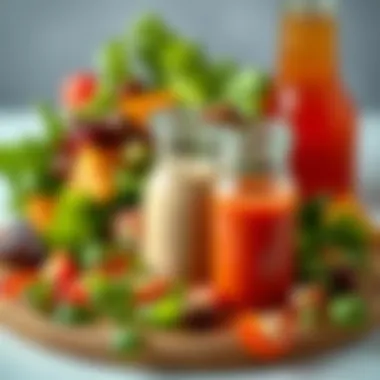
- Glass Containers: Always use airtight glass containers for storage. Plastic can sometimes retain flavors or odors, while glass keeps the dressing pure and fresh.
- Refrigeration: Most homemade dressings contain fresh ingredients like herbs, garlic, or citrus. These should be stored in the fridge and are generally best consumed within a week. If your dressing contains dairy, be even more cautious and limit its use to a shorter timeframe.
- Batch Sizes: It's wise to make smaller batches at a time. This ensures you use the dressing while it’s at its peak and reduces the risk of waste.
- Labeling: Don’t forget to label your containers with the date you made the dressing. This simple step prevents guessing games about how long it’s been in the fridge.
"Proper storage not only keeps food safe but also enhances the eating experience. Enjoy your creations at their best!"
Store-Bought Considerations
When it comes to store-bought no sugar added dressings, you’ll want to consider a few factors to maximize shelf life:
- Reading Labels: Always read the ingredient list and expiration dates. Some dressings contain preservatives that can extend shelf life, but others do not. Knowing what's in your dressing will help you gauge how long it can be safely consumed.
- Storage Location: Store bought dressings are typically shelf-stable until opened. Once opened, they should be refrigerated, and it’s essential to adhere to any recommendations on the label regarding storage.
- Separation: It’s common for natural dressings to separate over time. A quick shake or stir will usually do the trick, but if you notice odd smells, colors, or textures, it’s better to err on the side of caution and discard it.
- Buying in Bulk: If you find a brand you love, consider buying multiple bottles while they're on sale. Just be mindful of expiry dates and proper storage to ensure you're not left with expired products.
By following these guidelines for both homemade and store-bought dressings, you can enjoy the health benefits and flavors without compromising safety or quality.
Adapting Recipes for Various Dietary Restrictions
In today's world, tailoring recipes to meet various dietary restrictions is more than just a creative culinary challenge; it's a necessary approach for many individuals. This section explores the importance of adapting no sugar added salad dressings for different dietary needs, focusing on how such adjustments can enhance inclusivity and nutritional benefits. Understanding these needs is essential for anyone who enjoys cooking and seeks to make more health-conscious choices.
Vegetarian and Vegan Options
Embracing a vegetarian or vegan diet often means eliminating animal products while still enjoying flavorful meals. For salad dressings, this principle applies significantly. Traditional creamy dressings usually incorporate dairy, but there are myriad alternatives available.
One can use cashews and nutritional yeast to create a rich, creamy base. Avocado can lend a luscious texture too, packing in healthy fats without any dairy. Incorporating plant-based vinegars, like apple cider or balsamic, contributes necessary tang without losing the mouthfeel characteristic of traditional dressings.
It’s also important to consider plant-derived sweeteners such as agave syrup or maple syrup, albeit in moderation. This approach not only caters to those seeking vegan options but enriches the flavor profile of the dressing. A simple recipe could include:
- 1 cup soaked cashews
- 2 tablespoons lemon juice
- 3 tablespoons nutritional yeast
- Salt and pepper to taste
Quick and Easy Vegan Dressing Recipe:
- Blend soaked cashews with other ingredients until smooth.
- Taste and adjust seasoning as necessary.
- Serve over your favorite greens.
By focusing on these alternatives, anyone can craft delightful vegan-friendly dressings that suit salad enthusiasts across diets.
Gluten-Free Considerations
Gluten intolerance has become increasingly acknowledged, compelling many to make dietary adjustments. No sugar added dressings better aligned with gluten-free needs often focus on incorporating naturally gluten-free ingredients. Many oils, vinegars, and fresh herbs remain gluten-free, but one should be mindful of labels when choosing packaged products.
For homemade dressings, keeping it simple is sometimes the best route. An example could involve mixing olive oil, lemon juice, fresh herbs like basil, and a pinch of salt. This combination not only cuts out any gluten-containing elements but also delivers freshness and vibrant flavor.
Benefits of Gluten-Free Dressings:
- Reduces inflammation for sensitive individuals
- Promotes better digestion
- Encourages exploration of new flavor profiles
Incorporating gluten-free dressings into meals is straightforward and offers significant health benefits. Always explore fresh ingredients, as they often lend natural flavors without needing additives.
Low Calorie Variants
For those keeping an eye on calorie intake, and rightly so, low-calorie variants of salad dressings can be a sweet spot. The goal is to maintain flavor while slashing calories. Opting for ingredients like Greek yogurt, buttermilk, or even silken tofu can provide that creamy texture usually associated with dressings without the hefty calorie count.
A zesty dressing could be whipped up using:
- 1/2 cup Greek yogurt
- 2 tablespoons apple cider vinegar
- 1 tablespoon Dijon mustard
- Fresh herbs like dill or chives
- A few drops of hot sauce for a kick
“Healthful eating doesn’t need to be bland; even low-calorie options can burst with flavor.”
These alternatives yield dressings that can be light yet still satiating. The secret lies in balancing the visual appeal with flavor when presenting a healthy meal.
In summary, adapting recipes for various dietary restrictions enhances the versatility of no sugar added salad dressings. By employing thoughtful approaches to vegan, gluten-free, and low-calorie recipes, anyone can tailor their dressings to accommodate individual dietary needs while keeping it delicious and exciting.
End and Future Trends
In our quest to maintain a healthier lifestyle, no sugar added salad dressings emerge as a noteworthy contender, reshaping the way we think about dressings. Understanding the importance of these dressings helps enthusiasts, food lovers, and health-conscious individuals appreciate not only their culinary versatility but also their nutritional significance. With consumers becoming more sophisticated in their food choices, the demand for dressings that complement health goals is on the rise.
The Evolving Landscape of Salad Dressings
Gone are the days when a salad dressing meant a bottle of sugar-laden, pre-packaged concoctions. Today, salad dressings are evolving rapidly, reflecting a broader push towards clean eating and mindful consumption. Innovative brands are crafting products that showcase a delightful array of flavors while actively reducing or eliminating added sugars. A noteworthy shift can be seen in the rise of artisan brands, some producing dressings with locally sourced ingredients to appeal to the farm-to-table movement.
The popularity of no sugar added options is due, in part, to a growing awareness among consumers about the adverse health effects of excessive sugar intake. Many people are reading labels more diligently, seeking transparency in what they consume. Juicy fruit extracts, zesty spices, and fermented ingredients like miso are making their way into dressings, providing layers of flavor without relying on sugars. Moreover, the incorporation of probiotics in some dressings offers additional health benefits that appeal to a more health-conscious demographic.
Encouraging Health-Conscious Choices
Encouraging health-conscious choices starts with education. By demystifying what no sugar added options can offer, consumers are empowered to make better decisions at the grocery store. It's essential to foster an environment where asking questions about ingredients becomes second nature. For example, many grocery chains are featuring dedicated aisles for health-oriented products, showcasing no sugar added dressings prominently. This not only raises awareness but also strains manufacturers to innovate further.
Moreover, cooking classes and online resources help budding cooks and seasoned chefs alike understand how to whip up their own dressings without resorting to sugar. Individuals can create concoctions that suit their tastes and nutritional needs. This trend bridges the gap between convenience and health, encouraging home cooks to be experimental in their kitchens. The future looks bright as consumers prioritize wellness, sparking creativity that diminishes the reliance on sugars in dressings.